LGD-4033 (Ligandrol): Before and After Pictures, Dosages, Side Effects
 Disclaimer: SARMs are not FDA-approved and may cause adverse effects in animal models or human subjects. Dr. Touliatos is available for consultation should readers have any questions or concerns.
LGD-4033 (Ligandrol/VK5211/Anabolicum) is a selective androgen receptor modulator (SARM) used by certain weightlifters for bulking purposes to increase muscle strength and hypertrophy (1).
Ligandrol and other SARMs show promise for the potential treatment of cachexia and sarcopenia due to their anabolic effects and tissue selectivity (2).
LGD-4033 strongly binds to the androgen receptor, similar to anabolic steroids. However, research has indicated that it is a weak agonist in the prostate (3). Therefore, the androgenic effects of testosterone and other anabolic steroids are unlikely to occur with LGD-4033, preventing prostate hyperplasia (4).
Contents
- 1 LGD-4033 Before and After Pictures
- 2 Before and After Pictures: 8 Weeks
- 3 What Are the Benefits of LGD-4033? Key Research Findings
- 4 What Are the Side Effects of LGD-4033? Key Research Findings
- 5 What LGD-4033 Dosages Have Been Administered in Research?
- 6 Cycle Information
- 7 LGD-4033 Stacking Protocols
- 8 Legal LGD-4033 Alternative
- 9 Frequently Asked Questions
- 10 Summary: LGD-4033 Pros and Cons
LGD-4033 Origins
LGD-4033 was created in 2007 and synthesized by the American biotechnology company Ligand Pharmaceuticals; hence its name, Ligandrol.
The long-term effects of LGD-4033 are currently unknown, as it is classified as a research compound and has yet to receive Food and Drug Administration (FDA) approval (5).
Legal Status
LGD-4033 is not legal for cosmetic purposes (6). However, it is legal for research use; therefore, scientists may administer LGD-4033 to rodents.
Is LGD-4033 Banned in Sports?
Although LGD-4033’s side effects are not yet fully known, the World Anti-Doping Agency (WADA) has concluded that its positive effects on athletic performance appear evident. Therefore, it has banned Ligandrol and other SARMs in professional sports since 2008 (7).
LGD-4033 Before and After Pictures

This Reddit user performed an 8-week LGD-4033 cycle, administering 5 mg/day. He initially gained 13 pounds, which decreased to 10 pounds when water weight subsided post-cycle.
He consumed a hypercaloric diet, also known as a calorie surplus; thus, some of this weight may be attributed to increased subcutaneous body fat.

He mentioned that friends and family commented on his larger arm size 3 weeks into the cycle, some of whom were unaware of his SARM use.
Considering his high-calorie intake, his results in terms of muscle hypertrophy from LGD-4033 may be perceived as mild. However, there was a dramatic difference in muscular strength, with the before and after logs detailed as follows:
Bench Press
- Before: 185 lb x 5 repetitions
- After: 205 lb x 8 repetitions
Overhead Press
- Before: 110 lb x 5 repetitions
- After: 125 lb x 6 repetitions
Squat
- Before: 230 lb x 5 repetitions
- After: 255 lb x 8 repetitions
Deadlift
- Before: 285 lb x 5 repetitions
- After: 315 lb x 8 repetitions
This Reddit user also reported maintaining his results regarding strength post-cycle. In terms of how LGD-4033 impacted him, he stated that it was the happiest period he had experienced in a long time. Such feedback, combined with our anecdotal reports, suggests that LGD-4033 may be an efficacious SARM for mental well-being.
In research, LGD-4033 has been shown to increase brain-derived neurotrophic factor (BDNF) expression. When this protein is elevated, users can experience a euthymic mood (8).
The main side effect this subject experienced was lethargy, occurring from week 5 and thereafter.
Tiredness and fatigue are relatively common with LGD-4033 use and may serve as a self-defense mechanism by the body, attempting to induce rest due to increased water retention and systolic blood pressure.
Before and After Pictures: 8 Weeks

This Reddit user underwent an 8-week cycle of LGD-4033 with an unknown dosage.
His results may be attributed to a combination of muscle memory and Ligandrol use, as he had not lifted weights for 6 months prior to his LGD-4033 cycle.
A study found that 8 pounds of fat-free mass can be gained during the initial 8 weeks of weight training (9). He gained 15–20 pounds; thus, approximately half of his results potentially came from natural training, with 7–12 pounds from LGD-4033 supplementation.
What Are the Benefits of LGD-4033? Key Research Findings
- Muscle mass
- Muscular strength
Muscle Mass
Dr. Michael Moeller says, “LGD-4033 typically stimulates testosterone and androgen receptors without converting into dihydrotestosterone or estrogen.”
However, Dr. Moeller notes that clinical trials have not yet proven LGD-4033 to be a worthy alternative for testosterone replacement therapy in medicine (10).
Dr. Moeller states that some women and men seeking anabolic effects, especially of the younger generation, are utilizing LGD-4033 today for muscle building (11).
In phase 1 clinical trials, LGD-4033 has produced notable increases in lean muscle mass. One group of healthy young men received 1 mg/day for 3 weeks and gained 1.21 kg (12). Considering the brief cycle, modest dosage, and lack of training stimulus to maximize muscle hypertrophy, these may be interpreted as promising results.
Muscular Strength
In the above-cited study, the men also recorded increased leg press strength and power on the stair climber before and after the 3-week LGD-4033 cycle. This improvement is despite not regularly performing these specific exercises throughout the trial.
Our patients typically report significant strength results on LGD-4033, even on a hypocaloric diet (13).
We observe that adding 30 pounds or more to squat and bench press exercises is relatively common after a cycle of LGD-4033, with its effects on strength appearing to be more prominent than its ability to add lean muscle.
LGD-4033 may not produce notable fat loss, unlike Ostarine (MK-2866/enobosarm/GTx-024) or Cardarine (GW501516/GSK-516/endurobol), making it more optimal for bulking than cutting (14, 15).
Disclosure: We do not accept third-party advertising on Inside Bodybuilding. We monetize our practice through doctor consultations and legal substance recommendations for preclinical research use.
Best SARMs Company in 2026
Swiss Chems

Swiss Chems is our recommended source for SARM capsules, guaranteeing a minimum purity of 99% across all its products.
Swiss Chems offers worldwide shipping, allowing non-US researchers to access high-quality SARMs.
US orders are delivered within 3–7 business days, while international orders typically arrive in 2–3 weeks.
10% coupon code: INSIDE10
Sports Technology Labs
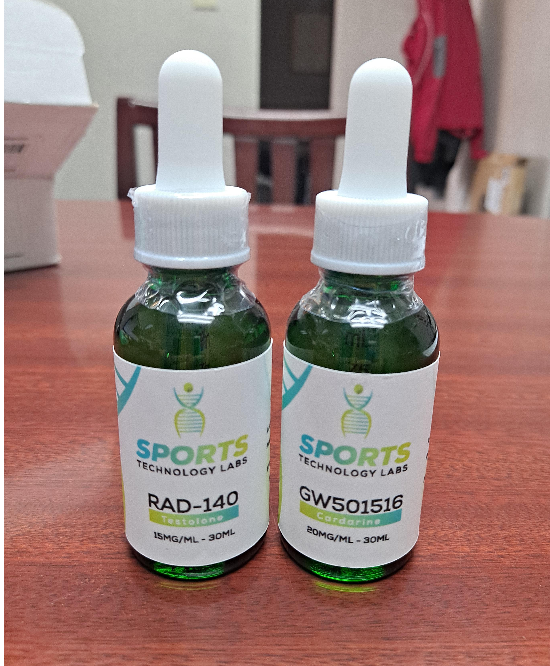
Sports Technology Labs is a highly cost-effective liquid SARM source for US researchers, offering purity levels exceeding 98%, as confirmed by third-party certificates of analysis.
Sports Technology Labs is one of the few SARM companies that accepts debit and credit cards, including Visa, Mastercard, and American Express, without additional fees at checkout.
Sports Technology Labs is only a viable source for US researchers, as the company no longer provides international shipping.
15% coupon code: INSIDE15
Note: Sports Technology Labs’ products are regularly tested by MZ Biolabs, an independent laboratory with a US Drug Enforcement Administration Schedule III license.
What Are the Side Effects of LGD-4033? Key Research Findings
According to Professor Nial Wheate, D.Sc., Ph.D., M.B.A., “2013 and 2018 human trials demonstrated the potential safety of LGD-4033.” He adds that “LGD-4033 appears to have fewer side effects in comparison to anabolic steroids” (16). Despite initial success in clinical research, Wheate warns that LGD-4033 is “still experimental.”
Two mild side effects we have noted with LGD-4033 are:
- Headaches (cephalalgias)
- Dry mouth (xerostomia)
However, five more troublesome LGD-4033 side effects we have encountered are:
- Cholesterol alterations (17)
- Testosterone suppression (18)
- Liver toxicity (19)
- Water retention and gynecomastia
- Male pattern baldness
Cholesterol
LGD-4033 may have a significantly negative effect on high-density lipoprotein (HDL) cholesterol, with scientists observing an approximate reduction of 40% in 3 weeks, at a dosage of 1 mg/day (20).
Generous levels of HDL cholesterol can reduce the risk of atherosclerosis, improving heart health (21). Thus, low levels of HDL, known as hypoalphalipoproteinemia, may increase the risk of myocardial infarction. LGD-4033’s ability to decrease HDL is comparable to anabolic steroids in our testing.
Such elevations in blood pressure may be attributed to LGD-4033 being administered orally and thus being metabolized by the liver. This stimulates the enzyme hepatic lipase, causing:
- Deleterious alterations in HDL cholesterol
- Altered phospholipid levels (22)
The same research recorded low-density lipoprotein (LDL) levels remaining stable. However, serum triglycerides decreased by almost 15%, alleviating some cardiovascular strain.
Testosterone Suppression
SARMs, despite being non-steroidal, can still suppress natural testosterone levels due to their aggressive binding to the androgen receptor (23, 24). This action consequently decreases:
- Luteinizing hormone (LH)
- Follicle-stimulating hormone (FSH)
We have found LGD-4033 to be a potent SARM that is suppressive in some users (25). In the previously cited trial that administered 1 mg/day of LGD-4033, participants’ total testosterone declined by 50%. Free testosterone also experienced a similar 40% reduction.
After 56 days of drug cessation, users’ endogenous testosterone returned to standard levels. Thus, considering users commonly take 5 mg/day of LGD-4033 and upwards, testosterone suppression in this case is likely to be more severe, potentially causing significant damage to the hypothalamic-pituitary-testicular axis (HPTA).
Thomas O’Connor, M.D., our head physician, says, “LGD-4033 users can be temporarily shut down,” based on his experience treating hundreds of men who have utilized the SARM. Dr. O’Connor adds that testosterone suppression is “one of the main risks of LGD-4033” and that his patients commonly experience depression until their hormones normalize.
Liver Toxicity
In a randomized clinical trial, LGD-4033 was given to 76 healthy men and produced no notable changes in serum aminotransferases from the following dosages over 21 days (12).
- 0.1 mg/day
- 0.3 mg/day
- 1 mg/day
However, one research paper reported a man developing jaundice following 10 mg/day of LGD-4033 for 2 weeks. Thus, based on existing research, the hepatotoxicity level of LGD-4033 may be dose-dependent. This supports what we have found anecdotally.
Further research reported a 24-year-old man with hepatocellular liver injury following 9 weeks of LGD-4033 use (26). The LGD-4033 dosage he utilized was not stated, so caution should be exercised when administering this SARM, with further research required to establish dosages that do not induce hepatotoxic effects. The man had also taken venlafaxine (Effexor), an antidepressant, which is a contraindication for LGD-4033 use and can contribute to hepatic issues.
Water Retention and Gynecomastia
In theory, LGD-4033 should not produce estrogenic side effects, as it does not:
- Aromatize
- Directly stimulate estrogen receptors
However, our tests indicate that Ligandrol competes with natural testosterone when binding to the androgen receptor. LGD-4033’s higher affinity means that the body’s natural testosterone concedes this duel and instead is increasingly available for binding to other receptors, such as estrogen.
Thus, LGD-4033 may indirectly cause higher estrogen levels, increasing the risk of:
- Gynecomastia
- Water retention
- Insulin resistance
Male Pattern Baldness
Some LGD-4033 users report shedding or recession of hair on the scalp, similar to that caused by anabolic steroids. There are two reasons why such hair loss is possible, despite LGD-4033’s weak androgenicity. Similar to how estrogen levels indirectly rise from more natural testosterone binding to other receptors, this is also how LGD-4033 may increase dihydrotestosterone (DHT) levels and the body’s natural level of 5-alpha-reductase (27).
DHT is the hormone responsible for follicle miniaturization on the scalp, with excess levels potentially causing androgenetic alopecia (28).
Another possible cause of LGD-4033-induced hair loss is telogen effluvium (29). Up to 90% of hair follicles are actively growing on the scalp, and 10% are resting. When hair follicles are in the growing or anagen phase, the average natural hair loss is 100 hairs a day (30). However, in the event of telogen effluvium and sudden hormonal changes in the body, 30% of hair follicles enter the resting or telogen phase. This condition can result in the daily loss of 300 hairs (31).
We find that introducing SARMs to the body stimulates telogen effluvium, potentially tripling the level of hair loss (32). However, such shedding is typically reversible post-cycle. Our patients often report hair thickening after 1–2 weeks following cycle cessation, with hormones regulating and hair follicles returning to the anagen, or growing, phase.
What LGD-4033 Dosages Have Been Administered in Research?
An official LGD-4033 dosage has not been established by medical experts at this time, as it is yet to be FDA-approved. However, in trials, 0.1, 0.3, and 1 mg dosages have been commonly used, with the higher dosages yielding more pronounced results (33).
Male weightlifters taking LGD-4033 for physique-enhancing purposes typically follow a dosage of 2–10 mg/day.
Females commonly opt for the lower dosages in this range, such as 2 mg/day, in an attempt to prevent virilization side effects from occurring.
LGD-4033 is commonly administered once per day. Dosages are sometimes tapered, encouraging continued results for the duration of the cycle. Thus, 1–2 mg/day may be a starting dosage, with increases of 1–2 mg each week until a desired maximum dosage is achieved. Equally, some users skip tapering cycles for convenience.
Although we have observed men take up to 10 mg/day of LGD-4033, dosages in excess of 6 mg/day produce minimal additional results in our experience.
Cycle Information
Male Non-Tapered Cycle
| Weeks | LGD-4033 dosage |
|---|---|
| 1–8 | 6 mg/day |
Male Tapered Cycle
| Weeks | LGD-4033 dosage |
|---|---|
| 1–2 | 4 mg/day |
| 3–4 | 5 mg/day |
| 5–8 | 6 mg/day |
Female Cycle
| Week | LGD-4033 dosage |
|---|---|
| 1 | 1 mg/day |
| 2 | 1 mg/day |
| 3 | 2 mg/day |
| 4 | 2 mg/day |
We find that higher dosages and extended cycle durations often exacerbate side effects in users.
LGD-4033 Stacking Protocols
LGD-4033 and Testolone
A common stack is to combine LGD-4033 with Testolone (RAD-140/vosilasarm/EP0062), believed to be two of the most potent SARMs for promoting muscular strength and hypertrophy. Although stacking LGD-4033 with Testolone can enhance results, it may also exacerbate side effects, particularly:
Sample Cycle
| Weeks | Testolone dosage | LGD-4033 dosage |
|---|---|---|
| 1–8 | 10 mg/day | 6 mg/day |
Tapering the dosage as outlined previously in our LGD-4033 cycle section can also be performed with this stack. However, some users opt against doing so out of convenience.
If tapering, LGD-4033 begins at 4 mg/day for the first 2 weeks and increases to 6 mg/day from the third week onward. Higher dosages can be utilized; however, such an approach is not recommended to avoid excessive side effects.
LGD-4033 and Ibutamoren
Some users also stack LGD-4033 with Ibutamoren (MK-677/Oratrope), a growth hormone secretagogue. Ibutamoren increases growth hormone by:
- Stimulating the anterior pituitary gland
- Inhibiting somatostatin
Ibutamoren can increase muscle hypertrophy and enhance subcutaneous fat loss without exacerbating liver enzymes or cholesterol levels (36, 37). This stack may be desirable for researchers exploring notable fat loss and muscle gain.
However, we observe that Ibutamoren can increase water retention and visceral fat accumulation (38), creating a more bloated and protruding look to the midsection. Higher levels of visceral fat storage can be the result of Ibutamoren’s negative effects on insulin resistance (39) and lipogenesis (40).
Sample Cycle
| Weeks | Ibutamoren dosage | LGD-4033 dosage |
|---|---|---|
| 1–8 | 15 mg/day | 6 mg/day |
| 9–16 | 15 mg/day |
Ibutamoren is slow-acting and thus often requires ample time to peak growth hormone (GH) levels and affect body composition. An additional benefit of this cycle is that Ibutamoren supplementation exceeds LGD-4033’s by 8 weeks, thus acting as a form of post-cycle therapy (PCT) in regard to maintaining an anabolic state upon LGD-4033 cessation, helping to cement results.
LGD-4033, Testolone, and Ibutamoren

This user published their transformation on Facebook after stacking the following compounds together:
- LGD-4033
- Testolone
- Ibutamoren
He noticed a significant increase in muscle hypertrophy, gaining approximately 10 pounds. However, the addition of Ibutamoren led to an increase in visceral body fat percentage, as evidenced by a wider waist.
Water retention and subcutaneous body fat levels have also increased slightly, potentially caused by higher amounts of natural aromatase. This alteration is the byproduct of natural testosterone ceasing its binding to the androgen receptor.
Legal LGD-4033 Alternative

LIGAN 4033 is our recommended Ligandrol alternative. It replicates the muscle-building and strength-enhancing properties of LGD-4033, but without any unwanted side effects.
It is FDA-approved and can be purchased online without a prescription.
LIGAN 4033 is best suited for weightlifters wanting to bulk up, increasing muscle hypertrophy and strength.
Frequently Asked Questions
Is PCT Necessary for LGD-4033 Users?
Hypogonadism is a possible side effect of LGD-4033. Consequently, users may accelerate the recovery of endogenous testosterone by employing PCT, similar to that of steroid users (41).
Research indicates that testosterone levels may not revert to their pre-treatment levels for almost two months following a modest LGD-4033 dosage of 1 mg per day (42).
PCT may not be necessary if users do not experience negative fluctuations in:
- Libido
- Sexual performance
- Vitality
- Mood
What is the Half-Life of LGD-4033?
LGD-4033’s half-life is 24–36 hours (43). Thus, PCT should commence approximately 8 days following the last dosage. This is because the elimination time is equal to 5.5 times the half-life.
How Can Researchers Administer LGD-4033?

Below are two common methods for administering LGD-4033 orally, with the first being the most prevalent:
- Place the medication in the subject’s mouth, utilizing a dropper to determine the appropriate dosage, and then ingest it.
- As an alternative, LGD-4033 can be administered sublingually, which can enhance absorption and intensify its effects (44). This entails positioning the liquid beneath the tongue and allowing it to remain there for 10–15 seconds before ingesting it.
Under-the-tongue placement allows contact with the mucous membrane, facilitating a more direct pathway into the circulation (45).
How Many Doses of LGD-4033 Should be Taken Per Day?
In research settings, one dose of LGD-4033 per day is a common protocol, based on its half-life of 24–36 hours. Our patients’ results suggest that the bioavailability of LGD-4033 remains consistent regardless of whether it is administered on an empty stomach or with food.
LGD-4033 vs. LGD-3303: What is the Difference?
Some individuals are under the impression that LGD-3303 and LGD-4033 are structurally similar compounds due to their nearly identical names. However, the same corporation that established them, Ligand Pharmaceuticals, is the reason for their comparable nomenclature.
In practice, LGD-3303 can exhibit divergent effects from LGD-4033, as the former can increase muscle hypertrophy without any additional water retention. In this respect, LGD-3303 is more similar to YK-11 (Myostine) due to its potentially enhanced anabolic effects and increased toxicity compared to LGD-4033.
We commonly observe noteworthy increases in muscular strength among patients taking LGD-3303, which are more pronounced than those of LGD-4033.
LGD-3303 also possesses a short half-life of 6 hours, compared to LGD-4033’s 24–36 hours; thus, more frequent dosing is required with LGD-3303 to sustain peak concentrations.
LGD-3303, however, commonly produces more notable side effects as a consequence of its increased anabolism. LGD-3303 is one of the most suppressive SARMs that we have encountered (12); therefore, users are advised to administer PCT.
LGD-3303 was met with particular enthusiasm by one of our patients, who compared it to a moderately dosed testosterone and Anavar (oxandrolone) cycle that he had previously used. He indicated that, despite “his diet being off,” he displayed prominent muscle hypertrophy and strength. The subsequent regimen was administered to this patient:
| Weeks | LGD-3303 dosage |
|---|---|
| 1–6 | 20 mg/day |
He utilized 10 mg of LGD-3303 twice daily, 12 hours apart. He asserted that LGD-4033 is the number one SARM on the market for building muscle.
Is LGD-4033 Less Detrimental to Hair Health Compared to LGD-3303?
We have also found that patients susceptible to hair loss on SARMs can respond more favorably to LGD-3303, which appears to preserve hair follicular health even at higher doses.
LGD-3303 can exhibit more potent androgenic effects compared to other SARMs, with notable growth in the following muscle groups:
- Trapezius
- Deltoids
We observe that patients also experience more frequent incidences of acne vulgaris on LGD-3303 due to increased sebum production. However, in research, LGD-3303 is an agonist of the prostate, potentially indicating:
- A lack of androgenicity in this region
- Successful tissue selectivity (46)
Is LGD-3303 More Commonly Counterfeited Than LGD-4033?
In our experience, users consistently describe the effects of LGD-4033, while reports on LGD-3303 can be conflicting, with some reporting minimal effects and others experiencing exceptional results.
We hypothesize that this variance may be due to a higher prevalence of counterfeit LGD-3303 products compared to LGD-4033. Therefore, it is important to acquire LGD-3303 from a trustworthy SARM company that supplies certificates of analysis to prove:
- Authenticity
- Purity (47)
Is LGD-3303 More Potent Than LGD-4033?
LGD-4033 is known to be a less deleterious SARM compared to LGD-3303; however, the difference can be attributed to users administering approximately three times higher doses of LGD-3303. Therefore, on a milligram basis, LGD-4033 may be the more toxic compound; hence, the need for lower dosages.
It is common for us to observe patients taking 20 mg/day of LGD-3303 and only 6 mg/day of LGD-4033.
Are There Any Long-Term Implications of LGD-4033?
Generally, we have found that LGD-4033’s toxic effects are transient and improve post-cycle (48). However, it is possible for individuals to experience deteriorations in health that persist after cycle cessation.
ALT, AST, and cholesterol levels commonly improve several days after supplementation discontinuation.
However, users susceptible to liver fibrosis or left ventricular hypertrophy can experience more serious outcomes from LGD-4033 or other SARMs.
We have observed that endogenous testosterone levels often regulate over an extended period (49). The duration of recovery can vary depending on the severity of the HPTA injury, ranging from several weeks to months.
However, LGD-4033’s potential toxic effects can exacerbate and affect users long-term. A male patient of ours suffered a myocardial infarction following nine months of continuous use of LGD-4033 at a dosage of 30 mg/day. To facilitate cardiovascular recuperation, this user scheduled a consultation with us after his injury.
What Tests Should Be Conducted When Taking LGD-4033?
Serum bilirubin and sphygmomanometry tests are advised during LGD-4033 cycles to monitor hepatic and cardiac health. HPTA damage is assessed by measuring endogenous testosterone levels post-cycle. Based on these results, we discuss potential supplements with our patient to facilitate recovery.
What is the Price of LGD-4033?
- Sports Technology Labs: $59.99
- Chemyo: $79.99
- Behemoth Labz: $64.35
Why is LGD-4033 Excluded From Some Companies’ Inventory?
Ligand Pharmaceuticals is the original patent holder for LGD-4033, with global rights to develop the SARM, later licensed to Viking Therapeutics. However, numerous companies continued formulating the compound and consequently received cease-and-desist letters.
SwissChems and Chemyo are two vendors that discontinued LGD-4033. However, Chemyo appeared to find a legal loophole, as it returned to the company’s inventory several years after being removed.
Can LGD-4033 Cause Steroid-Like Effects?
Despite limited research on LGD-4033 due to its formulation in 2007, there is already sufficient evidence to suggest it can induce steroid-like side effects, specifically regarding:
- Cholesterol alterations
- Liver fibrosis
- Testosterone suppression
Is LGD-4033 the Ideal Compound to Achieve Your Research Objectives?
The table below illustrates the most suitable SARM for various researchers, tailored to their specific objectives.
| SARM | Research Focus | Best For |
|---|---|---|
| LGD-4033 (Ligandrol) | Muscle growth, strength enhancement, osteoporosis | Studying muscle hypertrophy and bone health |
| Ostarine (MK-2866) | Cachexia and osteoporosis | Studying muscle preservation and bone density improvements |
| RAD-140 (Testolone) | Muscle mass increase, neuroprotection | Exploring muscle hypertrophy and potential neuroprotective effects |
| S-23 | Male contraception, muscle growth | Investigating androgen receptor selectivity and reproductive effects |
| YK-11 | Myostatin inhibition, muscle growth | Exploring enhanced muscle hypertrophy via myostatin pathway modulation |
| S-4 (Andarine) | Muscle wasting, osteoporosis, fat loss | Studying fat reduction and bone density improvements |
Should I Administer Liquid, Powder, or Capsules?
Researchers can administer LGD-4033 in liquid, powder, or capsule form. The choice of preparation depends on their preferences and specific objectives. The table below can assist researchers in determining the most suitable product for their needs.
| Product Form | Pros | Cons |
|---|---|---|
| Liquid | Precise dosing, fast absorption | Short shelf life, strong taste |
| Powder | Most cost-effective option | Requires measurement, preparation needed |
| Capsules | Convenient, masked taste | Typically more expensive, cannot be used in preclinical settings |
Summary: LGD-4033 Pros and Cons

Pros
- Notable anabolism
- Substantial enhancements in strength
- Straightforward to acquire
Cons
- Less effective than anabolic steroids
- Demonstrates certain toxic effects
LGD-4033, or Ligandrol, on a milligram basis, may be one of the most anabolic SARMs. In our experience, its potential impact on muscular strength is exceptional, without producing excessive weight gain.
However, LGD-4033 is not a miracle supplement, as research indicates that its muscle-building effects appear to be less than those of anabolic steroids.
Co Authors :

Dr. Thomas O’Connor is the first American board-certified internist to focus his medical practice specifically on the health and recovery of individuals who use anabolic steroids and androgens.
He founded Testosteronology®, a dedicated subspecialty of internal medicine that addresses steroid-induced hypogonadism and associated cardiovascular and metabolic concerns.
Dr. O’Connor has over 20 years of experience treating men and women with a history of anabolic steroid, SARM, and PED use. He has been a board-certified MD since 2005 and provides guidance on harm reduction methodologies.
Dr. O’Connor is a clinical instructor at the University of Connecticut School of Medicine and has been featured in various media publications, including Generation Iron, Dr. Phil, National Geographic, The New York Times, Muscle and Fitness, and others.
Dr. O’Connor also co-authored the largest survey on anabolic steroid use, which involved 2,385 men and was published in the peer-reviewed American Journal of Men’s Health. He holds active medical licenses in Connecticut and Florida.
References
- https://www.ncbi.nlm.nih.gov/pmc/articles/PMC7528560/
- https://pubmed.ncbi.nlm.nih.gov/24189892/
- https://www.sciencedirect.com/topics/chemistry/selective-androgen-receptor-modulator
- https://pubmed.ncbi.nlm.nih.gov/7529633/
- https://pmc.ncbi.nlm.nih.gov/articles/PMC10204391/
- https://pubmed.ncbi.nlm.nih.gov/38560649/
- https://pubmed.ncbi.nlm.nih.gov/37986708/
- https://pmc.ncbi.nlm.nih.gov/articles/PMC8307197/
- https://pmc.ncbi.nlm.nih.gov/articles/PMC10064218/
- https://pubmed.ncbi.nlm.nih.gov/30255601/
- https://pmc.ncbi.nlm.nih.gov/articles/PMC2072878/
- https://pubmed.ncbi.nlm.nih.gov/22459616/
- https://physoc.onlinelibrary.wiley.com/doi/full/10.1113/EP090741
- https://diabetesjournals.org/diabetes/article/73/Supplement_1/2067-LB/155755/2067-LB-Pooled-Safety-Analysis-of-Enobosarm-from
- https://pubmed.ncbi.nlm.nih.gov/32298044/
- https://onlinelibrary.wiley.com/doi/10.1002/ptr.8301?af=R
- https://academic.oup.com/jes/article/6/8/bvac099/6619269
- https://bnrc.springeropen.com/articles/10.1186/s42269-023-00989-z
- https://pmc.ncbi.nlm.nih.gov/articles/PMC7304490/
- https://pmc.ncbi.nlm.nih.gov/articles/PMC11485217/
- https://pmc.ncbi.nlm.nih.gov/articles/PMC2903818/
- https://pmc.ncbi.nlm.nih.gov/articles/PMC3288605/
- https://onlinelibrary.wiley.com/doi/10.1111/cen.15135
- https://pubmed.ncbi.nlm.nih.gov/39755947/
- https://pmc.ncbi.nlm.nih.gov/articles/PMC4111291/
- https://aasldpubs.onlinelibrary.wiley.com/doi/full/10.1002/hep4.1456
- https://pmc.ncbi.nlm.nih.gov/articles/PMC4174066/
- https://www.sciencedirect.com/science/article/pii/S0306987717310411
- https://www.ncbi.nlm.nih.gov/books/NBK430848/
- https://pmc.ncbi.nlm.nih.gov/articles/PMC6580807/
- https://pmc.ncbi.nlm.nih.gov/articles/PMC7992547/
- https://pmc.ncbi.nlm.nih.gov/articles/PMC12047090/
- https://link.springer.com/article/10.1007/s00216-021-03740-7
- https://jmedicalcasereports.biomedcentral.com/articles/10.1186/s13256-023-03847-8
- https://pmc.ncbi.nlm.nih.gov/articles/PMC10420890/
- https://pubmed.ncbi.nlm.nih.gov/9467534/
- https://academic.oup.com/jcem/article-abstract/84/6/2028/2864618
- https://pmc.ncbi.nlm.nih.gov/articles/PMC2757071/
- https://pmc.ncbi.nlm.nih.gov/articles/PMC9331610/
- https://pubmed.ncbi.nlm.nih.gov/8954023/
- https://pmc.ncbi.nlm.nih.gov/articles/PMC10640727/
- https://pmc.ncbi.nlm.nih.gov/articles/PMC4111291/
- https://www.researchgate.net/publication/223988321_The_Safety_Pharmacokinetics_and_Effects_of_LGD-4033_a_Novel_Nonsteroidal_Oral_Selective_Androgen_Receptor_Modulator_in_Healthy_Young_Men
- https://www.sciencedirect.com/topics/pharmacology-toxicology-and-pharmaceutical-science/sublingual-administration
- https://pubmed.ncbi.nlm.nih.gov/12126458/
- https://pubmed.ncbi.nlm.nih.gov/19017848/
- https://pubmed.ncbi.nlm.nih.gov/23050300/
- https://pubmed.ncbi.nlm.nih.gov/36303408/
- https://pmc.ncbi.nlm.nih.gov/articles/PMC11721869/
- https://journals.lww.com/acgcr/fulltext/2020/06000/ligandrol__lgd_4033__induced_liver_injury.7.aspx
- https://pubmed.ncbi.nlm.nih.gov/37407738/
- https://www.frontiersin.org/journals/endocrinology/articles/10.3389/fendo.2020.556581/full
- https://pubmed.ncbi.nlm.nih.gov/34141767/
- https://pubmed.ncbi.nlm.nih.gov/35253885/
- https://pubmed.ncbi.nlm.nih.gov/36257328/