RAD-150 vs. RAD-140: What Users Need to Know
 Disclaimer: SARMs are not FDA-approved and may cause adverse effects in animal models or human subjects. Dr. Touliatos is available for consultation should readers have any questions or concerns.
Highlights
- RAD-150 and RAD-140 can enhance body composition and improve athletic performance. Consequently, individuals competing in professional sports can fail drug tests, as both of these selective androgen receptor modulators (SARMs) are prohibited by the United States Anti-Doping Agency (USADA) and the World Anti-Doping Agency (WADA).
- RAD-150 appears to be more appropriate for research focused on promoting anabolic effects and ensuring safety, as our observations indicate that this SARM facilitates greater muscle growth and exhibits a lower toxicity profile compared to RAD-140 in patients.
- RAD-140 may be a more suitable SARM for researchers aiming for faster results, owing to its shorter half-life.
- RAD-140 may be the preferred SARM for researchers investigating cognitive health, as we do not have evidence to suggest that RAD-150 replicates the neuroprotective effects associated with RAD-140.
- Researchers are advised to obtain SARMs from companies that provide third-party certificates of analysis (COAs), demonstrating substance detection and high purity levels.
Contents
SARMs are gaining traction in bodybuilding due to their legal status when sold for research use. However, few are aware that this restriction solely applies to authorized scientific trials.
SARMs are designed to mitigate the side effects of anabolic steroids via tissue selectivity, which involves specifically targeting androgen receptors. Thus, their objective is to stimulate receptors that promote anabolism rather than those that cause side effects.
SARMs aim to mimic the same benefits as anabolic steroids, albeit with less potency. However, we have found SARMs to reproduce several of the same side effects as anabolic steroids, while producing less overall anabolic activity.
Despite the potential cardiotoxic and hepatotoxic effects of SARMs, users may experience increases in:
- Muscle mass
- Muscular strength
- Fat loss
- Endurance
Consequently, various drug testing organizations have listed SARMs, including RAD-140 and RAD-150, as prohibited substances. USADA states that SARMs can provide athletes with an unfair advantage due to their anabolic properties.
USADA also states that SARMs can pose health risks to athletes and the general public, as there are limited long-term studies demonstrating their safety in humans.
What is RAD-140?
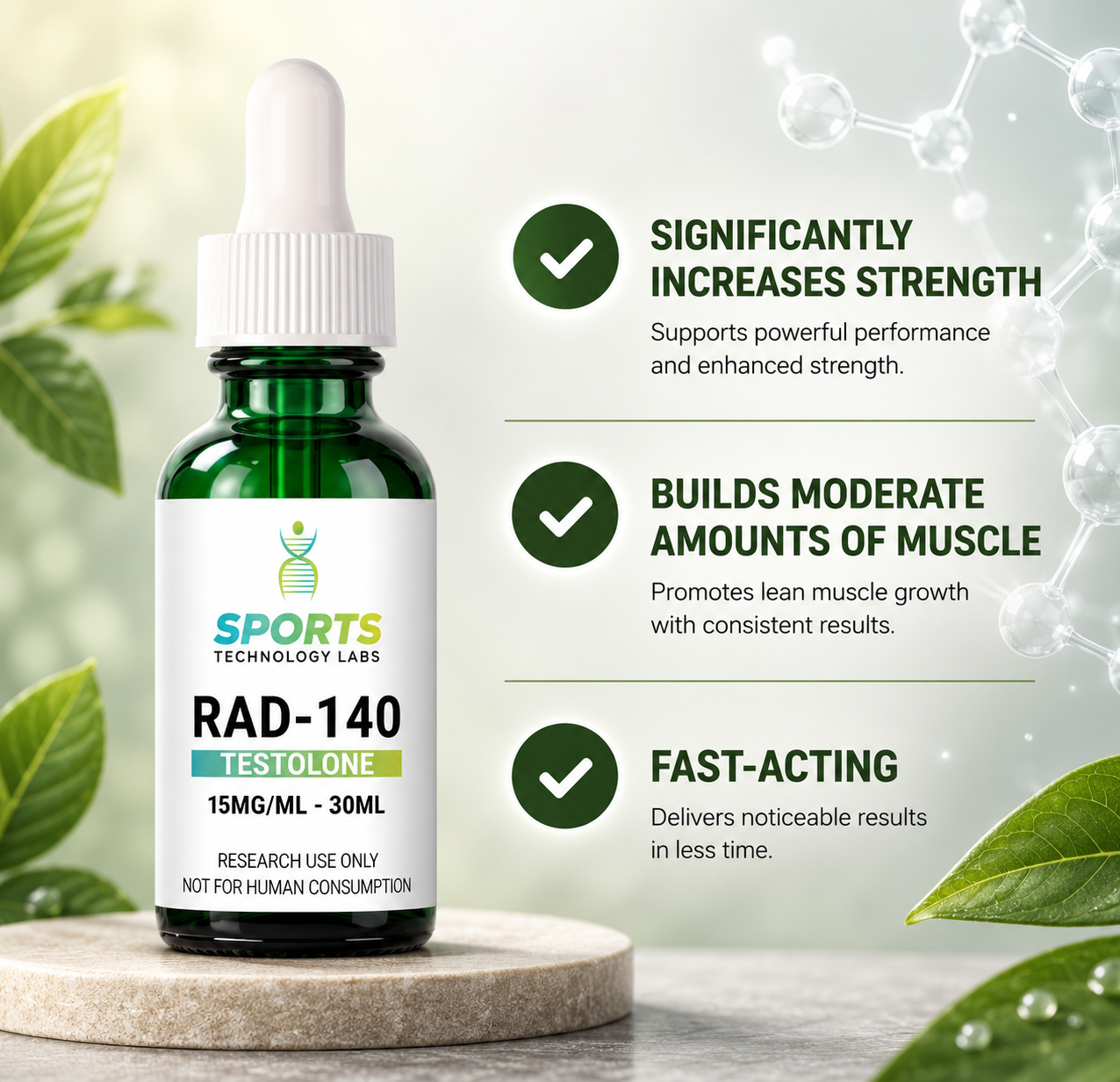
RAD-140 (Testolone) can produce significant gains with moderate side effects. RAD-140 is similar to testosterone in the anabolic steroid world, with its reward-to-risk ratio being more favorable than several other SARMs.
Based on our observations, RAD-140 may increase lean muscle mass by up to 10 pounds during a cycle. This weight gain can make a notable difference in appearance, considering users are simultaneously burning fat.
We have also seen users’ strength increase by 50 pounds on compound exercises from their first RAD-140 cycle. Thus, RAD-140 may produce disproportionately large strength gains relative to muscle growth.
Gary Hattersley, the chief scientific officer of Radius Health, states that RAD-140 shows potential as a therapeutic agent for cancer patients due to its unique mechanism of action.
Hattersley explains that tumors resistant to conventional estrogen receptor-targeted therapies may be effectively treated with RAD-140. This is due to its selective stimulation of the androgen receptor, which can inhibit tumor growth. Importantly, this mechanism does not significantly impact reproductive tissues and therefore may reduce the risk of exacerbating estrogen-related cancers.
What is RAD-150?
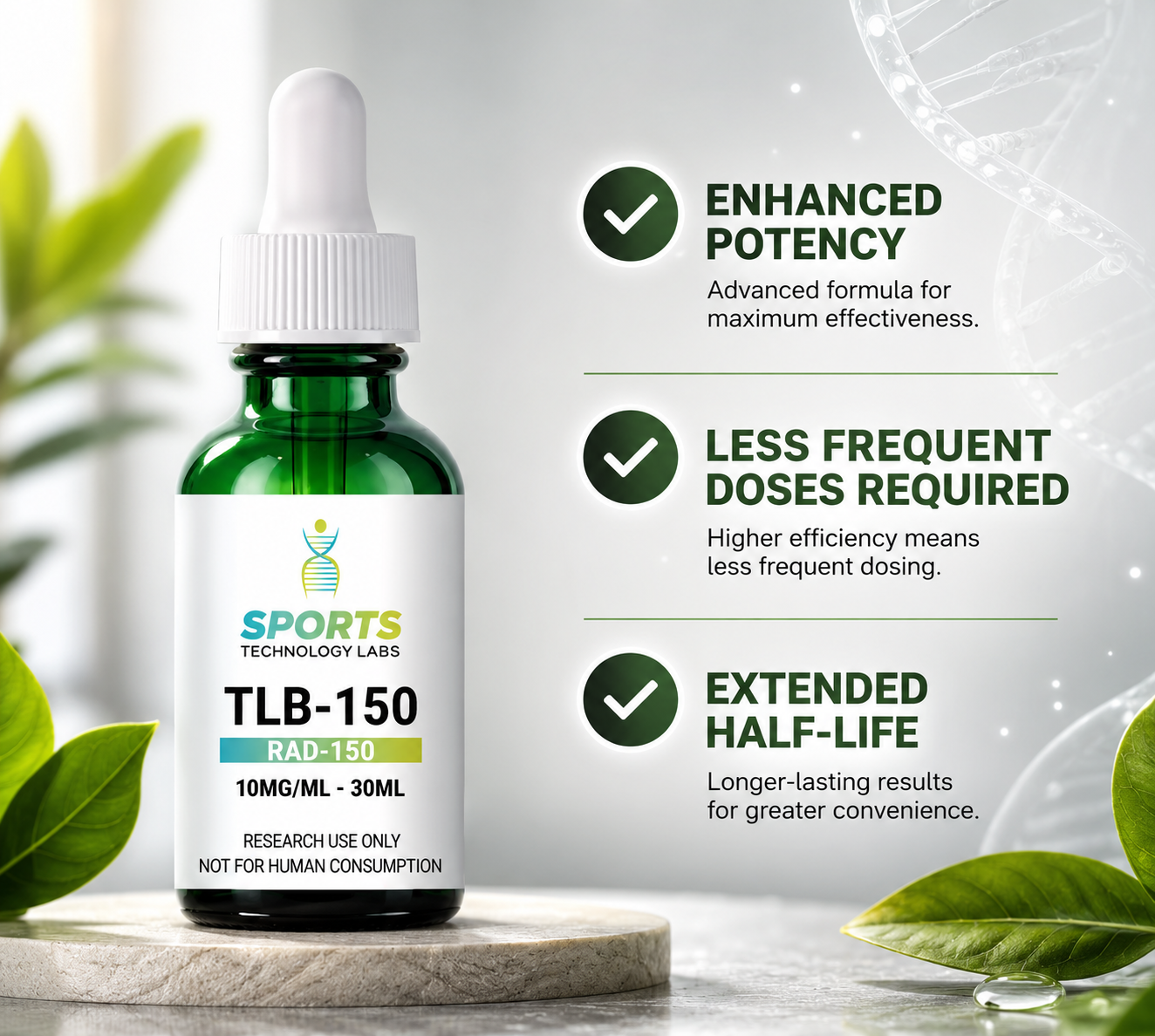
RAD-150 (TLB-150) is an esterified form of RAD-140 with an added benzoate ester. This modification increases the compound’s half-life, resulting in steadier blood concentrations.
Patricia LoRusso, Ph.D., D.O., is a leading researcher on the effects of RAD-140 and states that the SARM’s half-life in humans is approximately 45 hours. In contrast, RAD-150 is expected to remain in the body for an extended period, which may delay the onset of peak effects.
Findings and Observations
- Anecdotal toxicity: Currently, there is a lack of long-term clinical research on RAD-140 and RAD-150. However, we have anecdotal evidence that both compounds negatively affect the liver, cholesterol, and testosterone levels in patients.
- RAD-150’s cardiotoxic and hepatotoxic effects: RAD-150 appears to exhibit slightly lower hepatotoxic and lipid-altering effects than RAD-140, with approximately 15% fewer changes in cholesterol levels and liver enzymes.
- RAD-150 suppression: We have found RAD-150 to produce greater testosterone suppression in patients, potentially due to its longer half-life and prolonged androgen receptor activation.
Thus, it may be more important to run an effective post-cycle therapy (PCT) with RAD-150 to recover natural testosterone levels. This recovery process may take a few weeks longer for RAD-150 due to the hypothalamic-pituitary-testicular axis (HPTA) being more affected.
Our patients who have used RAD-150 have reported muscle gains that are 10–15% greater than those observed in patients using RAD-140.
Strength improvements can be even more significant with RAD-150, approaching a 20% increase.
Disclosure: We do not accept any form of advertising on Inside Bodybuilding. We monetize our practice via doctor consultations and carefully chosen supplement recommendations, which have given our patients excellent results.
Best SARMs Company in 2026
Swiss Chems

Swiss Chems is our recommended source for SARM capsules, guaranteeing a minimum purity of 99% across all its products.
Swiss Chems offers worldwide shipping, allowing non-US researchers to access high-quality SARMs.
US orders are delivered within 3–7 business days, while international orders typically arrive in 2–3 weeks.
10% coupon code: INSIDE10
Sports Technology Labs
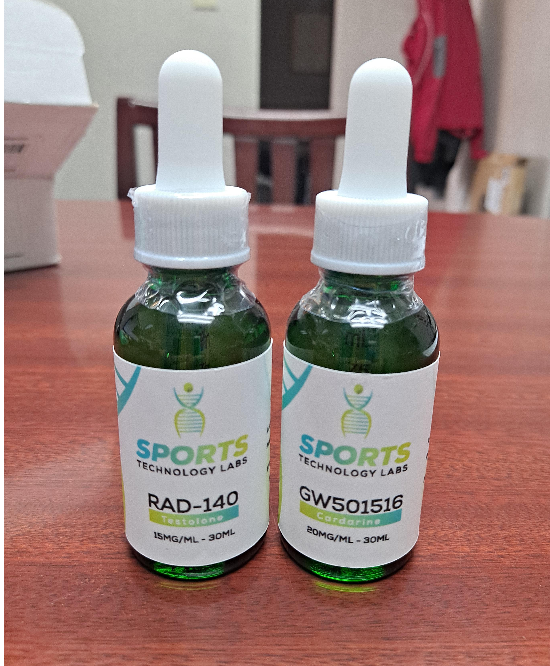
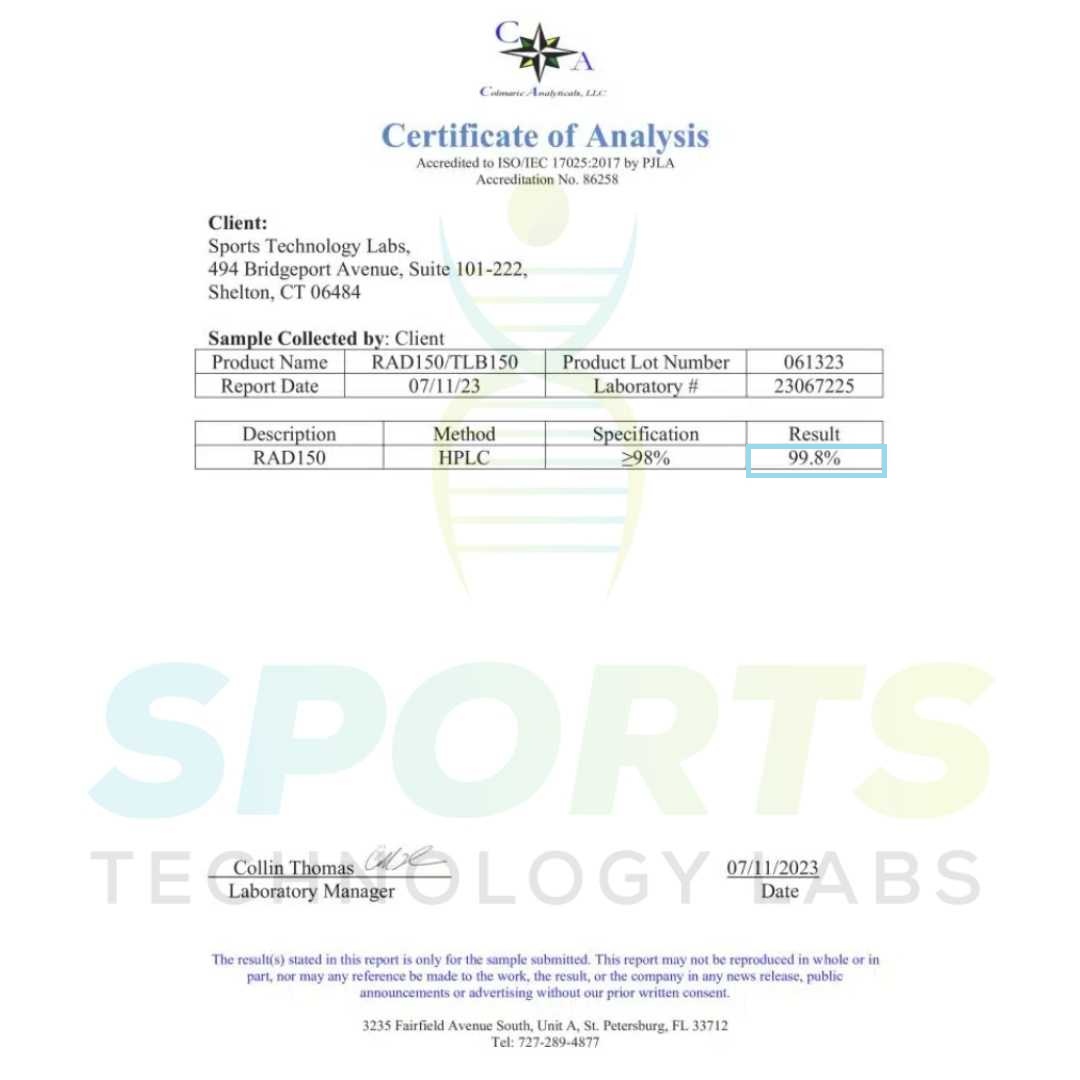
Sports Technology Labs is a highly cost-effective liquid SARM source for US researchers, offering purity levels exceeding 98%, as confirmed by third-party certificates of analysis.
Sports Technology Labs is one of the few SARM companies that accepts debit and credit cards, including Visa, Mastercard, and American Express, without additional fees at checkout.
Sports Technology Labs is only a viable source for US researchers, as the company no longer provides international shipping.
15% coupon code: INSIDE15
Note: Sports Technology Labs’ products are regularly tested by MZ Biolabs, an independent laboratory with a US Drug Enforcement Administration Schedule III license.
Dose
SARM companies typically dose RAD-150 lower than RAD-140 due to its extra potency.
Based on our observations, a standard RAD-150 cycle is dosed at 10–15 milligrams (mg) per day for 8 weeks.
Cost
RAD-150 is generally more expensive than RAD-140 per bottle.
In the table below, you can see how Sports Technology Labs’ prices compare for these two SARMs.
| SARM | Price | Volume | Concentration |
|---|---|---|---|
| RAD-140 | $64.99 | 30 mL | 15 mg/mL |
| RAD-150 | $69.99 | 30 mL | 10 mg/mL |
Although less common, some brands price RAD-150 and RAD-140 equally. For example, SwissChems charges $89.95 for both.
Taste
Anecdotally, our patients report that RAD-150 tastes more pleasant, which can be attributed to the addition of the new benzoate ester.
Anabolism
Research in monkeys demonstrated a 10% increase in mass from a RAD-140 dosage of 0.1 mg/kg per day for 28 days [1]. This would translate to 7.5 mg per day for a 75-kilogram (kg) man.
Dosages exceeding 0.1 mg/kg did not produce any further increases in mass. Researchers also found that liver enzymes and prostate mass in the monkeys remained stable.
A rodent study indicated that a RAD-140 dosage of 3 mg/kg per day produced the same amount of muscle gains as a 1 mg/kg dose of testosterone [2]. Thus, at very high doses, RAD-140 may rival the muscle-building effects of some anabolic steroids. However, 3 mg/kg of RAD-140 per day in humans is likely to yield severe side effects.
There is also evidence that high doses of RAD-140 can cause muscle atrophy. A study found that rodents at risk of sarcopenia had a higher mortality risk when taking 5 mg/kg/day of RAD-140 [3].
Neuroprotection
Preclinical research has shown that androgens possess neuroprotective qualities [4]. We have also observed the same cognitive-enhancing effects with RAD-140 in patients, suggesting potential for the treatment of dementia-related diseases.
RAD-140 may be considered a more optimal treatment than testosterone for dementia-related diseases, as testosterone can cause prostatic hyperplasia. However, RAD-140 would need to demonstrate acceptable safety in humans before being approved by the Food and Drug Administration (FDA) to treat neurological conditions.
There is a lack of medical research conducted on RAD-150, so despite some promising early findings, it remains an experimental SARM.
Frequently Asked Questions
Which SARM is More Common?
RAD-140 has been around for longer; thus, more researchers are inclined to administer it. RAD-150 is a new SARM in comparison, and therefore, its effects are less established.
Is RAD-140 or RAD-150 Safe?
- Unknown effects in humans: There is insufficient clinical research to suggest that RAD-140 or RAD-150 is safe. RAD-140 and RAD-150 are only legal for authorized research trials, and thus, human consumption is prohibited.
- Anabolic steroid-like side effects: Our patients who have been exposed to SARMs report that RAD-140 replicates some of the anabolic effects of steroids, but with less potency and similar side effects.
- Cardiovascular and liver health concerns: Thomas O’Connor, M.D., has treated hundreds of patients who have used RAD-140 and other SARMs. Dr. O’Connor states that these substances can negatively affect high-density lipoprotein cholesterol levels and liver enzyme function in men and women.
Is RAD-140 or RAD-150 Suppressive?
RAD-140 and RAD-150 are both suppressive SARMs. Therefore, PCT is commonly implemented upon cycle cessation to accelerate endogenous testosterone recovery.
George Touliatos, M.D., states that he has observed lower testosterone levels in patients who have used SARMs, including RAD-140 and RAD-150. He also says that PCT may be necessary to restore optimal testosterone production.
Research has shown that selective estrogen receptor modulators, such as Nolvadex and Clomid, typically produce efficacious results in restoring HPTA function in hypogonadal men.
Without PCT, it can take several weeks for users’ testosterone levels to return to normal following RAD-140 and RAD-150 cycles.
RAD-150 can be more suppressive than RAD-140, potentially requiring a couple of PCT medications for swift recovery.
Is it Necessary to Take Liver Support with RAD-140 or RAD-150?
We have found tauroursodeoxycholic acid (TUDCA) supplementation to be beneficial when utilizing hepatotoxic compounds.
Our tests indicate that this bile salt supplement can reduce hepatic stress, decreasing alanine aminotransferase and aspartate aminotransferase levels. We have found 500 mg/day of TUDCA to be an effective protocol for reducing harm from SARMs.
Expert Consensus
Dylan Gemelli, a National Academy of Sports Medicine-certified personal trainer, has observed RAD-140’s effects. He warns that limited information exists on RAD-150.
Gemelli states that the main difference is that “RAD-150 is esterified, meaning it has an extended half-life.” Thus, RAD-150 can cause more stable serum levels. Gemelli says that if RAD-150 receives approval by the FDA, its extended half-life will be advantageous for users preferring to administer SARMs every two days as opposed to every day.
Ryan Ankrom, a certified personal trainer who has firsthand experience with RAD-140 and RAD-150, states that they are “very similar.” He adds, “RAD-150 replicates many of the same effects as RAD-140 but with added potency” due to its structural advantage of containing an additional benzoate ester.
Conclusion

Based on our experience of treating patients who have supplemented with SARMs, RAD-150 appears to possess a more favorable risk–benefit ratio. However, little research exists on RAD-150, and so it remains an unknown substance, particularly when compared to RAD-140.
Recommendation: Researchers are advised to buy RAD-140 and RAD-150 from reputable suppliers that have their products third-party tested to ensure purity. Sports Technology Labs is a provider that adheres to these standards.
Relevant Research
- Preclinical assessment of the SARM RAD-140 to increase muscle mass and bone mineral density
- SARM RAD-140 inhibits the growth of androgen/estrogen receptor-positive breast cancer models with a distinct mechanism of action
- Idiosyncratic drug-induced liver injury related to use of novel SARM RAD-140: a case report
- Myopericarditis following the use of RAD-140
References
- Miller, C. P., Shomali, M., Lyttle, C. R., O'Dea, L. S., Herendeen, H., Gallacher, K., Paquin, D., Compton, D. R., Sahoo, B., Kerrigan, S. A., Burge, M. S., Nickels, M., Green, J. L., Katzenellenbogen, J. A., Tchesnokov, A., & Hattersley, G. (2010). Design, synthesis, and preclinical characterization of the SARM RAD-140. ACS Medicinal Chemistry Letters, 2(2), 124–129. https://pubmed.ncbi.nlm.nih.gov/24900290/
- D. K. Hamson, S. R. Wainwright, J. R. Taylor, B. A. Jones, N. V. Watson, & L. A. M. Galea (2018). Androgens increase survival of adult-born neurons in the dentate gyrus by an androgen receptor-dependent mechanism in male rats. Endocrinology, Volume 154, Issue 9, Pages 3294–3304. https://academic.oup.com/endo/article/154/9/3294/2423518
- Brown, A. M., Ganjayi, M. S., & Baumann, C. W. (2023). RAD-140 (Testolone) negatively impacts skeletal muscle adaptation, frailty status, and mortality risk in female mice. Clinical and Experimental Pharmacology & Physiology, 50(12), 973–983. https://pubmed.ncbi.nlm.nih.gov/37758180/
- Jayaraman, A., Christensen, A., Moser, V. A., Vest, R. S., Miller, C. P., Hattersley, G., & Pike, C. J. (2014). SARM RAD-140 is neuroprotective in cultured neurons and kainate-lesioned male rats. Endocrinology, 155(4), 1398–1406. https://pubmed.ncbi.nlm.nih.gov/24428527/
Dr. Thomas O’Connor is the first American board-certified internist to focus his medical practice specifically on the health and recovery of individuals who use anabolic steroids and androgens. He founded Testosteronology®, a dedicated subspecialty of internal medicine that addresses steroid-induced hypogonadism and associated cardiovascular and metabolic concerns. Dr. O’Connor has over 20 years of experience treating men and women with a history of anabolic steroid, SARM, and PED use. He has been a board-certified MD since 2005 and provides guidance on harm reduction methodologies. Dr. O’Connor is a clinical instructor at the University of Connecticut School of Medicine and has been featured in various media publications, including Generation Iron, Dr. Phil, National Geographic, The New York Times, Muscle and Fitness, and others. Dr. O’Connor also co-authored the largest survey on anabolic steroid use, which involved 2,385 men and was published in the peer-reviewed American Journal of Men’s Health. He holds active medical licenses in Connecticut and Florida.Co Authors :