Ostarine vs. RAD-140: Which is More Effective?
 Disclaimer: SARMs are not FDA-approved and may cause adverse effects in animal models or human subjects. Dr. Touliatos is available for consultation should readers have any questions or concerns.
Selective androgen receptor modulators (SARMs) are a class of investigational pharmacological agents that exhibit tissue-selective anabolic effects via their interaction with androgen receptors (AR) [1]. These compounds are currently being explored for their potential to promote muscle hypertrophy and improve physical performance without the unwanted side effects typically associated with anabolic-androgenic steroids (AAS), such as virilization or hepatotoxicity.
SARMs are hypothesized to provide selective anabolic benefits to skeletal muscle and bone tissue while minimizing adverse effects on other androgen-sensitive organs, like the prostate or liver. However, our tests indicate that SARMs may still manifest toxicity profiles similar to those of traditional anabolic steroids under certain conditions [2].
Among the SARMs frequently investigated in clinical and athletic contexts are Ostarine (MK-2866) and RAD-140 (testolone), two agents with distinct pharmacokinetic and pharmacodynamic properties, yet both are commonly employed for:
- Muscle gain
- Strength enhancement
- Fat reduction
This article serves as a comparative analysis of Ostarine and RAD-140.
Contents
Ostarine vs. RAD-140: How Do Their Strengths Compare?
Muscle Hypertrophy and Fat Reduction
Ostarine has been demonstrated to effectively increase lean body mass and reduce adipose tissue, with studies indicating up to a 10-pound increase in lean muscle during supplementation. The anabolic response to Ostarine, however, exhibits a pronounced gender dimorphism, as female users tend to experience more substantial lean mass gains, often exceeding 15 pounds, particularly when combined with resistance training and a caloric surplus. This suggests a potentially higher sensitivity to SARMs in females [3].
RAD-140, often considered a more potent SARM than Ostarine, is predominantly utilized in bulking protocols where users aim to achieve significant muscle hypertrophy and strength gains. Clinical observations report that RAD-140 can facilitate lean mass accrual of up to 15 pounds, depending on the dosing regimen and training conditions. The more pronounced anabolic effects of RAD-140 are likely attributed to its higher affinity for the androgen receptor and its enhanced tissue-selective action on skeletal muscle.
Strength Development
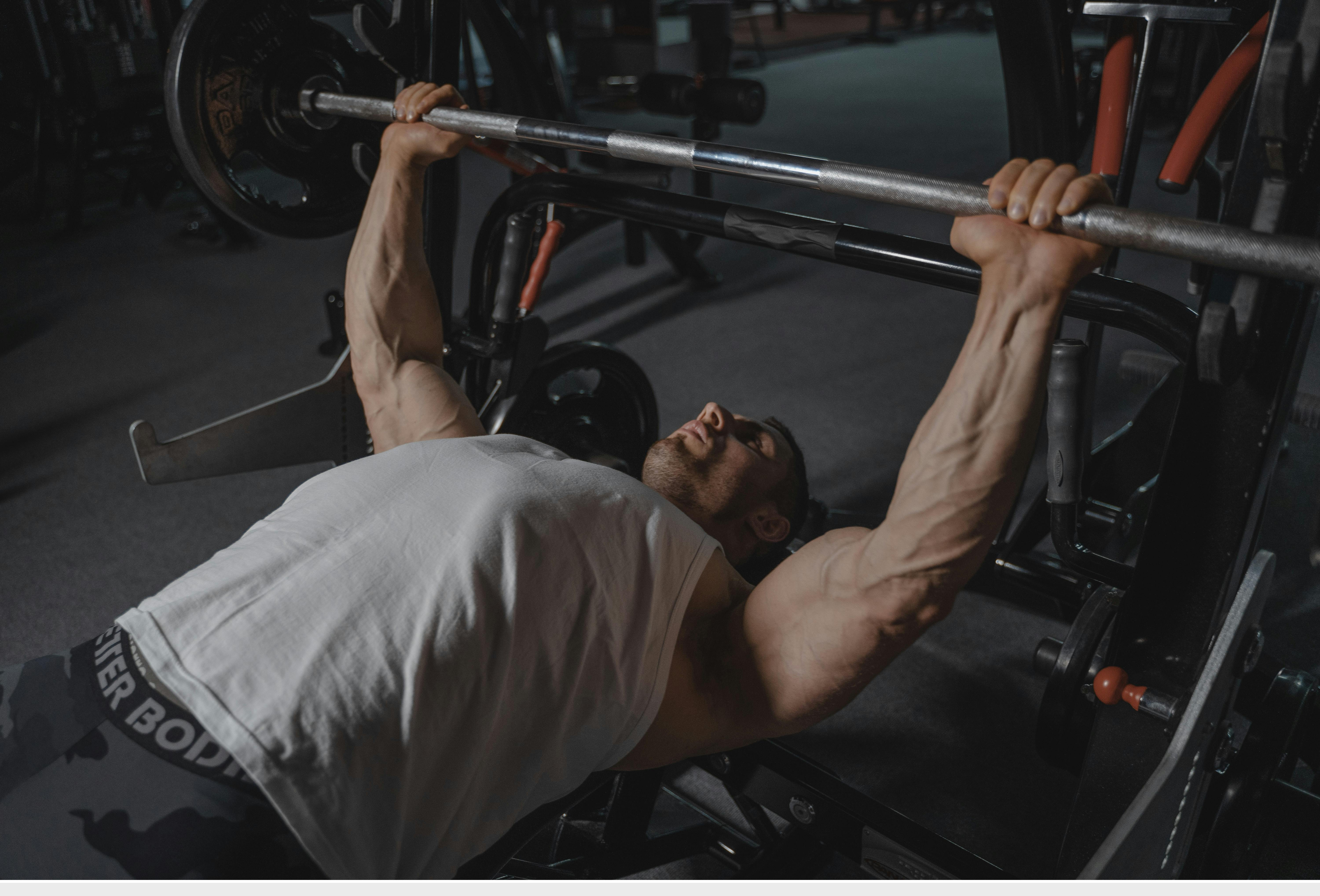
When comparing strength outcomes, RAD-140 demonstrates superior efficacy in increasing muscular strength relative to Ostarine. RAD-140 is regarded as one of the most potent SARMs for muscular force production, with strength gains comparable to high-potency AAS. Clinical data from user reports have documented strength improvements such as a 60-pound increase in the bench press and a 90-pound increase in the leg press after a single cycle of RAD-140.
Ostarine, while effective for strength gains, typically falls short of RAD-140 in this domain. Nevertheless, its strength-enhancing capabilities make it a viable option for individuals seeking moderate improvements in muscle power without the more extreme effects seen with higher-potency SARMs.
Ostarine vs. RAD-140: A Comparison of Potential Complications
Hypothalamic-Pituitary-Gonadal (HPG) Axis Suppression
Both Ostarine and RAD-140 have been shown to suppress the hypothalamic-pituitary-gonadal (HPG) axis, leading to potential hypogonadism. However, RAD-140 appears to exert a more profound suppressive effect on endogenous testosterone levels, necessitating post-cycle therapy (PCT) for recovery.
Clinical observations indicate that prolonged use of RAD-140 can result in significant testosterone suppression, potentially requiring hCG (human chorionic gonadotropin) or selective estrogen receptor modulators (SERMs) like Clomid or Nolvadex to restore hormonal balance.
Conversely, Ostarine tends to exert a milder suppressive effect on endogenous testosterone, with spontaneous recovery occurring within 1–2 months post-cycle in numerous instances. While PCT may not be required for all individuals, in our testing it remains an effective protocol for patients exhibiting persistent hypogonadal symptoms following performance-enhancing drug use [4].
Cardiovascular Implications
Both SARMs, particularly at higher doses, have been associated with lipid profile alterations and potential cardiotoxicity. Ostarine, in particular, has been found to decrease high-density lipoprotein (HDL) cholesterol, thereby increasing the risk of atherosclerotic cardiovascular disease (ASCVD).
A study by Guo et al. (2022) demonstrated a significant reduction in HDL cholesterol following Ostarine administration [5]. Both compounds have been implicated in elevating systolic and diastolic blood pressure, further increasing the cardiovascular risks in individuals with pre-existing hypertension [6].
Hepatotoxicity
Hepatic toxicity represents a significant concern with SARMs, as hepatocellular injury has been documented with both Ostarine and RAD-140. Studies report elevated levels of alanine aminotransaminase (ALT) and aspartate aminotransferase (AST), indicating potential liver damage.
Flores et al. (2020) reported a case of hepatocellular-cholestatic injury in a 49-year-old male after four weeks of RAD-140 supplementation [7]. Additionally, Koller et al. (2021) documented cholestatic liver injury in a patient after only three weeks of Ostarine usage [8].
To mitigate hepatic stress, users are advised to monitor liver function through regular blood tests and consider supplementation with tauroursodeoxycholic acid (TUDCA), a hepatoprotective agent, at a dosage of 500 mg daily. It is also prudent to avoid alcohol consumption during SARM cycles to prevent compounding liver damage.
Ostarine vs. RAD-140: Body Composition Changes
Ostarine is often favored in cutting cycles due to its lipolytic properties, which facilitate fat loss while preserving lean muscle mass. A clinical study found Ostarine reduced fat mass by 5.77% following 12 weeks of supplementation at 3 mg/day [3]. By 21 weeks, the participants had lost 14.4% of their total fat mass.
In contrast, RAD-140 is typically used during bulking cycles, where the primary goal is muscle hypertrophy rather than fat reduction. While RAD-140 users may experience some fat loss, the high-calorie diet often employed by these individuals can lead to water retention and edema, which may obscure the appearance of muscle definition.
Ostarine vs. RAD-140: Different Doses and Cost
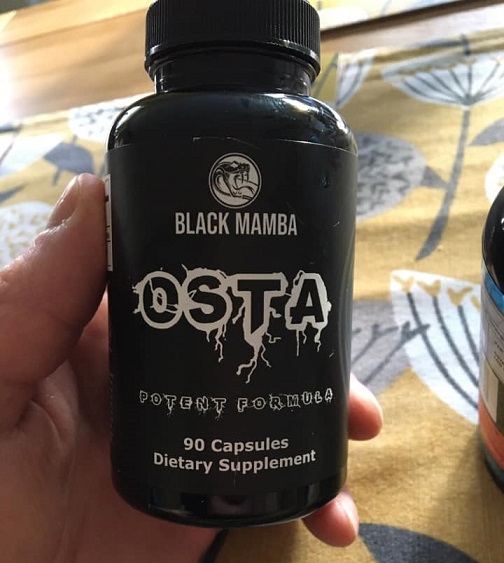
Ostarine is typically administered at 10–20 mg/day for males, with 5–10 mg/day being the common range for females. RAD-140 dosages are often comparable, though higher doses (e.g., 20 mg/day) may be utilized to maximize anabolic responses.
The pricing of these compounds reflects their potency and market demand, with Ostarine from Sports Technology Labs priced at approximately $49.99 for a 30 mL bottle containing 25 mg/mL, while RAD-140 is priced at $59.99 for a similar 30 mL bottle containing 15 mg/mL. As such, RAD-140 is generally more expensive per milligram than Ostarine.
Researchers opting for SARM capsules are likely to pay premium prices. For example, RAD-140 from SwissChems costs $89.95, which is approximately $30 more expensive than liquid RAD-140 from Sports Technology Labs.
Verdict: Ostarine or RAD-140?
Both Ostarine and RAD-140 offer significant benefits in terms of muscle growth and fat loss, albeit with differing safety profiles. RAD-140 is more potent, providing greater anabolic effects but at the cost of increased toxicity and side effects, including more significant HPTA suppression and potential hepatotoxicity. Ostarine, while less potent, may offer a safer alternative for individuals new to SARMs or those seeking a milder anabolic response with fewer adverse effects.
Given the higher cost and more pronounced side effect profile of RAD-140, individuals may prefer Ostarine as a safer and more cost-effective alternative, particularly for cutting cycles or those aiming for moderate muscle gain without the severe risks associated with more potent SARMs.
Co Authors :

Dr. Thomas O’Connor is the first American board-certified internist to focus his medical practice specifically on the health and recovery of individuals who use anabolic steroids and androgens.
He founded Testosteronology®, a dedicated subspecialty of internal medicine that addresses steroid-induced hypogonadism and associated cardiovascular and metabolic concerns.
Dr. O’Connor has over 20 years of experience treating men and women with a history of anabolic steroid, SARM, and PED use. He has been a board-certified MD since 2005 and provides guidance on harm reduction methodologies.
Dr. O’Connor is a clinical instructor at the University of Connecticut School of Medicine and has been featured in various media publications, including Generation Iron, Dr. Phil, National Geographic, The New York Times, Muscle and Fitness, and others.
Dr. O’Connor also co-authored the largest survey on anabolic steroid use, which involved 2,385 men and was published in the peer-reviewed American Journal of Men’s Health. He holds active medical licenses in Connecticut and Florida.
References
(1) https://pubmed.ncbi.nlm.nih.gov/16932274/
(2) https://pmc.ncbi.nlm.nih.gov/articles/PMC11277069/
(3) https://www.endocrinepractice.org/article/S1530-891X(24)00333-1/
(4) https://pubmed.ncbi.nlm.nih.gov/37951896/
(5) https://academic.oup.com/jes/article/6/8/bvac099/6619269
(6) https://pubmed.ncbi.nlm.nih.gov/35233331/
(7) https://pubmed.ncbi.nlm.nih.gov/32140660/
(8) https://pmc.ncbi.nlm.nih.gov/articles/PMC8180234/