RAD-140 (Testolone) Before-and-After Results, Dosages, and More
 Disclaimer: Only researchers are authorized to administer SARMs, as they are not FDA-approved and may cause adverse effects. Dr. Touliatos is available for consultation should readers have any questions or concerns.
RAD-140, or Testolone, is a non-steroidal selective androgen receptor modulator (SARM) that replicates the anabolic effects of steroids by binding to the androgen receptor (AR) [1].
RAD-140 is the first SARM to exhibit neuroprotective properties in preclinical research. It achieves this by selectively stimulating the AR in neural tissue, activating the mitogen-activated protein kinase/extracellular signal-regulated kinase signaling pathway.
RAD-140 surfaced in 2010 after being formulated by Radius Health, a United States (US) biotechnology company. It is also known as:
- EP0062
- Vosilasarm
This guide aims to inform readers regarding:
- The physiological and pharmacological effects of RAD-140
- Evidence-based strategies for minimizing potential adverse outcomes from RAD-140
- Reputable RAD-140 sources for research-supported procurement
Contents
- 1 How Does RAD-140 Work?
- 2 RAD-140 Results: User Before-and-After Pictures
- 3 RAD-140-Only Cycle: Before-and-After Pictures
- 4 RAD-140 Before-and-After Pictures: An 8-Week Cycle
- 5 RAD-140 Dosages
- 6 How Does RAD-140 Compare to Anabolic Steroids?
- 7 How Effective is RAD-140 in Preclinical Research?
- 8 Is RAD-140 Legally Approved for Research Use?
- 9 What Are the Potential Side Effects of RAD-140? Key Research Findings
- 10 RAD-140 PCT
- 11 Legal RAD-140 Alternative
- 12 What is the Half-Life of RAD-140?
- 13 RAD-140 vs. LGD-4033: What is the Difference?
- 14 What Are RAD-140’s Stacking Options?
- 15 Frequently Asked Questions
- 16 RAD-140 Pros and Cons
- 17 Summary
- 18 Relevant Research
RAD-140 was developed as a potentially effective and safer alternative to anabolic steroids for patients experiencing:
However, the clinical safety of RAD-140 has not yet been conclusively established [4,5,6].
Dr. Thomas O’Connor has direct experience treating thousands of men who have used performance-enhancing drugs, including RAD-140, and notes that it is not primarily used by bodybuilders.
Instead, Dr. O’Connor states that it is commonly employed as a preparatory step prior to the use of anabolic steroids.
How Does RAD-140 Work?
RAD-140 has three main mechanisms of action:
- Target receptor binding and affinity
- Tissue selectivity
- Downstream cellular effects
Target Receptor Binding and Affinity
At the cellular level, RAD-140 acts directly on the AR, a ligand-dependent transcription factor.
RAD-140 possesses an exceptionally strong binding affinity for the AR. Its inhibition constant (Ki) is approximately 7 nM, making it more tightly binding than native testosterone (Ki ≈ 29 nM) and dihydrotestosterone (DHT) (Ki ≈ 10 nM).
Tissue Selectivity
Unlike traditional anabolic steroids, which uniformly activate ARs across all body tissues, RAD-140 displays tissue-selective agonist activity.
RAD-140 works as a full agonist in skeletal muscle and bone, but acts as a weak partial agonist or antagonist in androgenic tissues like the prostate.
When RAD-140 binds, its unique non-steroidal chemical structure forces the AR into a specific 3D shape. This shape selectively allows the recruitment of specific coactivator proteins (which turn gene transcription “on”) in muscle cells.
In contrast, in the prostate, this shape favors the recruitment of corepressor proteins (which keep gene transcription “off”).
Downstream Cellular Effects
Once inside the nucleus of target skeletal muscle and bone cells, the RAD-140-AR complex binds to specific DNA sequences known as Androgen Response Elements (AREs). This initiates gene transcription:
- Protein Synthesis Up-regulation: It triggers the transcription of structural proteins, significantly increasing muscle protein synthesis while simultaneously down-regulating pathways responsible for muscle protein breakdown.
- MAPK Signaling Pathways: In addition to classic genomic pathways, preclinical studies show RAD-140 activates neuroprotective and growth pathways via mitogen-activated protein kinase (MAPK) signaling and ERK phosphorylation.
RAD-140 Results: User Before-and-After Pictures
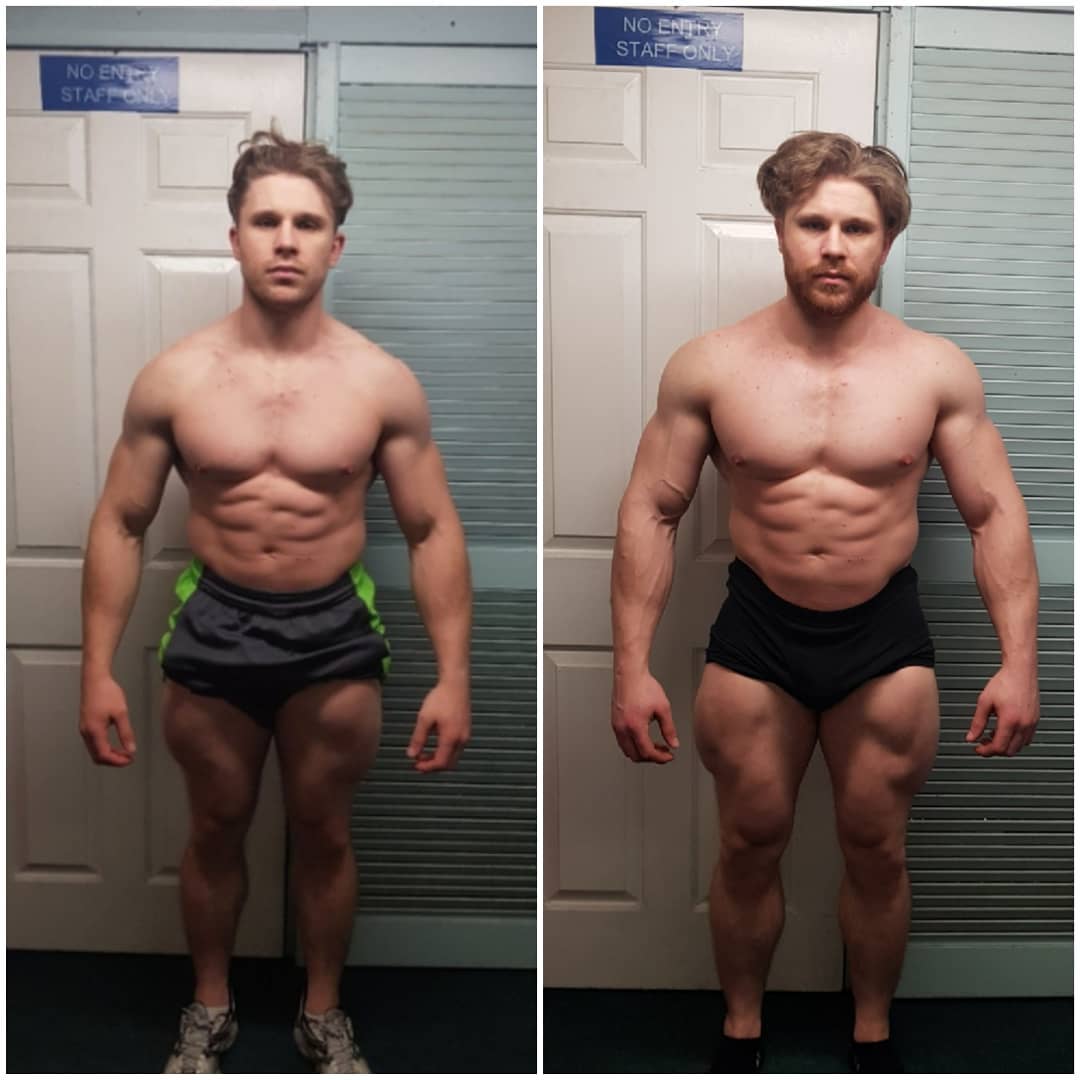
This Reddit user stacked RAD-140 with LGD-4033. LGD-4033 is also known as:
- VK5211
- Ligandrol
- Anabolicum
The individual also administered MK-677, commonly known as Ibutamoren. Although fitness enthusiasts commonly refer to MK-677 as a SARM due to its anabolic effects [7], it is technically a growth hormone secretagogue.
The individual experienced substantial muscle growth, accompanied by a modest increase in visceral adiposity (fat), as evidenced by more prominent abdominal hypertrophy.
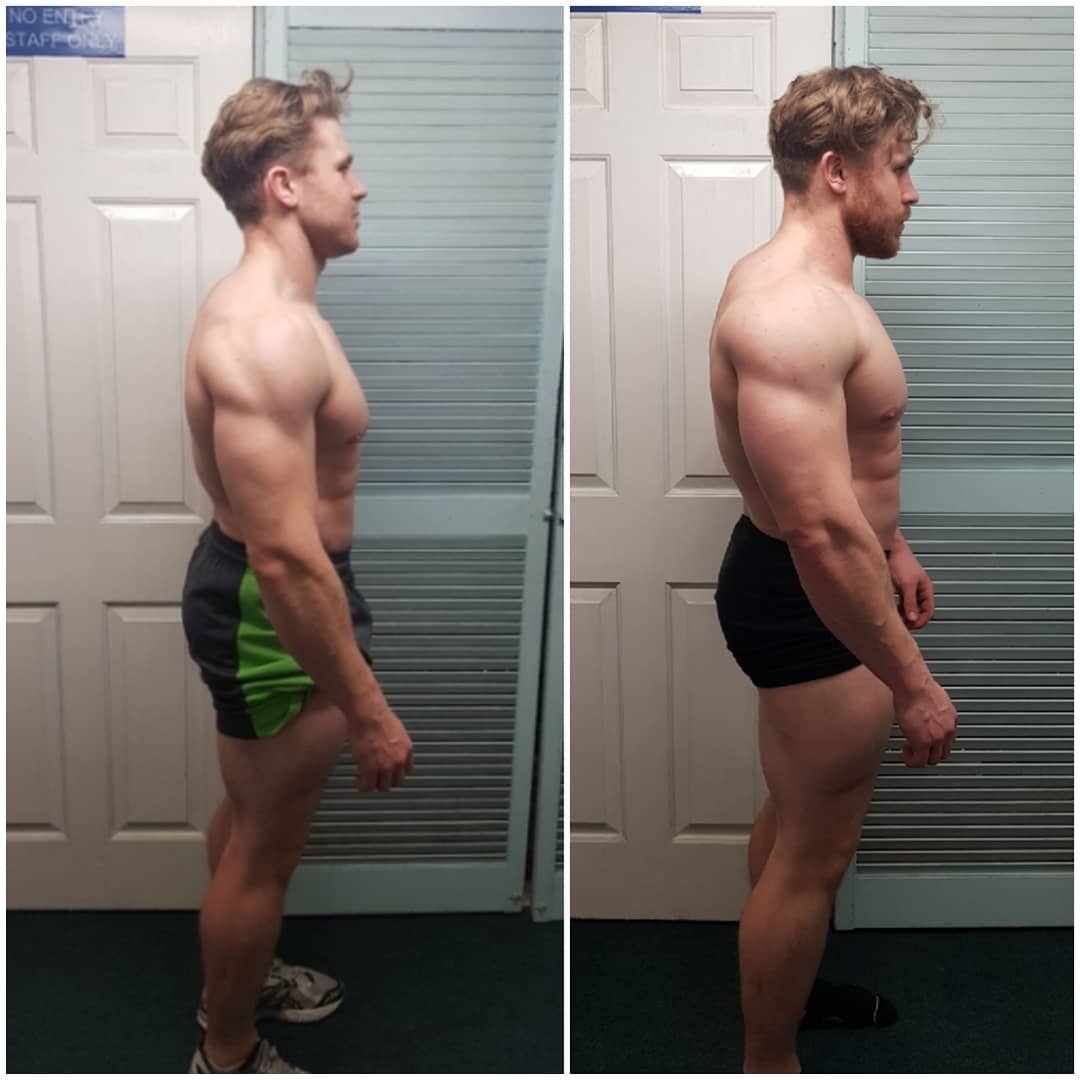
The user’s increase in gut size may be attributed to their use of MK-677, as growth hormone enhancers have been shown to increase insulin resistance and promote lipogenesis—the process of converting sugars into fat stores—in scientific literature [8,9,10].
This user’s results, in terms of muscle hypertrophy (size), can be considered moderate. However, the transformation is less dramatic than what is typically observed from a first steroid cycle.
Based on visual assessment, it is estimated that this individual has gained approximately 5 kg of lean mass.
In animal studies, RAD-140 has demonstrated substantial increases in lean body mass. However, in human trials, the observed effects tend to be comparatively modest.
Clinical trials have evaluated the anabolic effects of testosterone enanthate in comparison to SARMs. In one study, SARMs added 1 to 1.5 kg of lean mass gain over 4 to 6 weeks, while testosterone enanthate caused an increase of 5 to 7 kg [1].
Jake Puskas, a leading researcher specializing in the effects of RAD-140, states that it has the potential to be an effective treatment for individuals suffering from sarcopenia and osteoporosis.
However, owing to the limited number of clinical trials investigating RAD-140, Puskas proposes that short cycling protocols may be advantageous for study subjects.
This approach could facilitate a more comprehensive understanding of the SARM’s effects and potentially mitigate adverse outcomes.
RAD-140-Only Cycle: Before-and-After Pictures
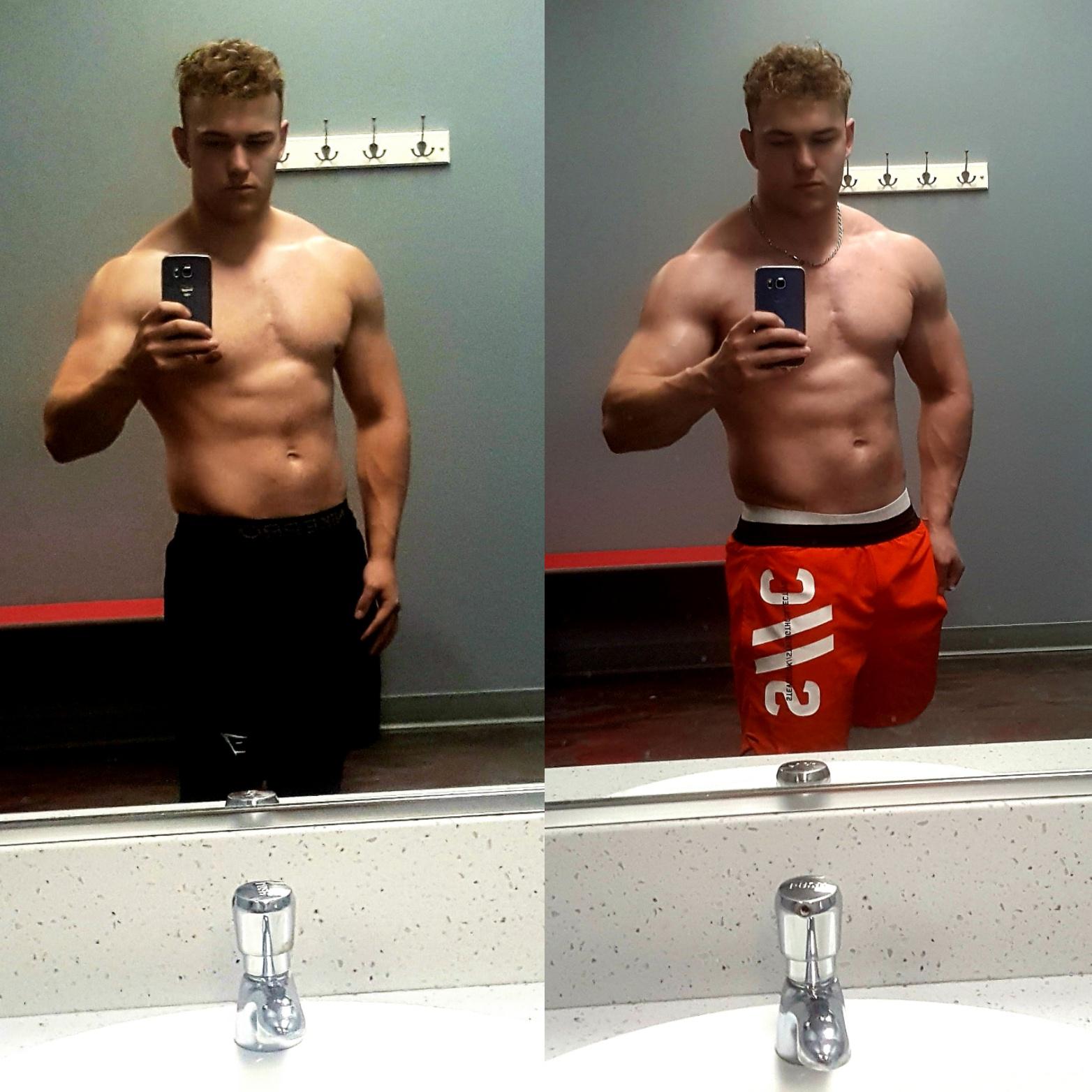
This Reddit user’s cycle:
| Week | RAD-140 Dosage |
|---|---|
| 1–12 | 17 mg/day |
They experienced modest improvements in muscularity, accompanied by a slight increase in subcutaneous body fat.
The individual experienced weight gain of approximately 2.3 kg, with a portion of this increase attributable to the accumulation of adipose tissue, resulting from 12 weeks of a modest caloric surplus.
In comparison to the initial RAD-140 before-and-after transformation, this individual has not exhibited a significant increase in visceral fat. This suggests that the expansion in gut size in the other individual may be attributable to MK-677 rather than RAD-140.
Additionally, some may hypothesize that the RAD-140 used by this individual was either counterfeit or diluted, given the lack of notable physiological changes. However, the source for this user’s RAD-140 was verified to be a trusted manufacturer.
RAD-140 Before-and-After Pictures: An 8-Week Cycle
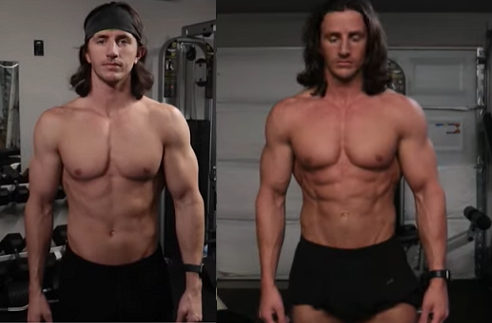
The Reddit user administered less than 10 mg of RAD-140 per day for most of his 8-week cycle, demonstrating that notable results can still occur at lower dosages.
This individual experienced substantial fat loss despite maintaining a caloric surplus. They displayed:
- Muscle hardness
- Definition
- Thickness
The individual reported that, despite gaining 4 kg, RAD-140 was not considered worthwhile due to the occurrence of hair loss and the perception that the results were “insubstantial.”
The user’s experience suggests that administering low doses of RAD-140 may enhance its favorable risk-to-benefit profile, as evidenced by a 4 kg weight gain accompanied by a significant reduction in subcutaneous fat.
However, individuals predisposed to androgenetic alopecia may experience transient hair shedding, such as telogen effluvium, when using RAD-140.
This form of hair loss is typically temporary and unlikely to progress to long-term androgenetic alopecia unless there is misuse or abuse of the compound.
Disclosure: We do not accept any form of advertising on Inside Bodybuilding. Our revenue is generated through doctor consultations and carefully selected supplement recommendations, which have consistently provided our patients with excellent results.
Best SARMs Company in 2026
Swiss Chems

Swiss Chems is our recommended source for SARM capsules, guaranteeing a minimum purity of 99% across all its products.
Swiss Chems offers worldwide shipping, allowing non-US researchers to access high-quality SARMs.
US orders are delivered within 3–7 business days, while international orders typically arrive in 2–3 weeks.
10% discount code: INSIDE10
Sports Technology Labs
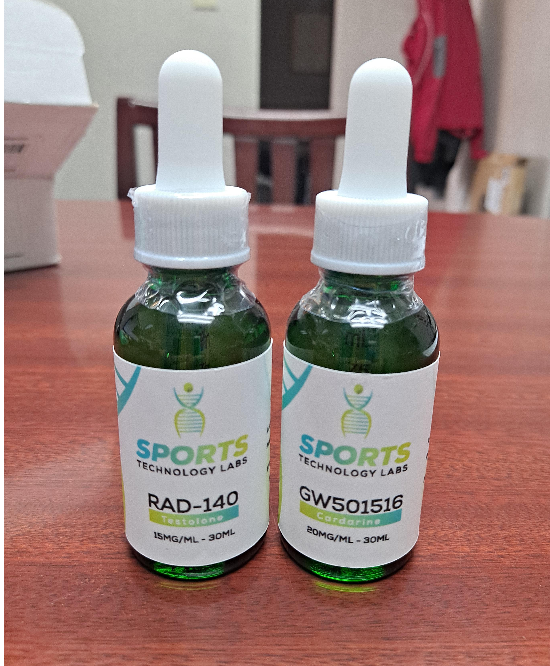
Sports Technology Labs is a highly cost-effective liquid SARM source for US researchers, offering purity levels exceeding 98%, as confirmed by its certificates of analysis.
Sports Technology Labs also has a no-credit-card-fee policy, whereas other sources can charge up to 10%.
Sports Technology Labs does not currently provide shipping outside the US.
15% discount code: INSIDE15
Note: Sports Technology Labs’ products are regularly tested by MZ Biolabs, an independent laboratory with a US Drug Enforcement Administration Schedule III license.
RAD-140 Dosages
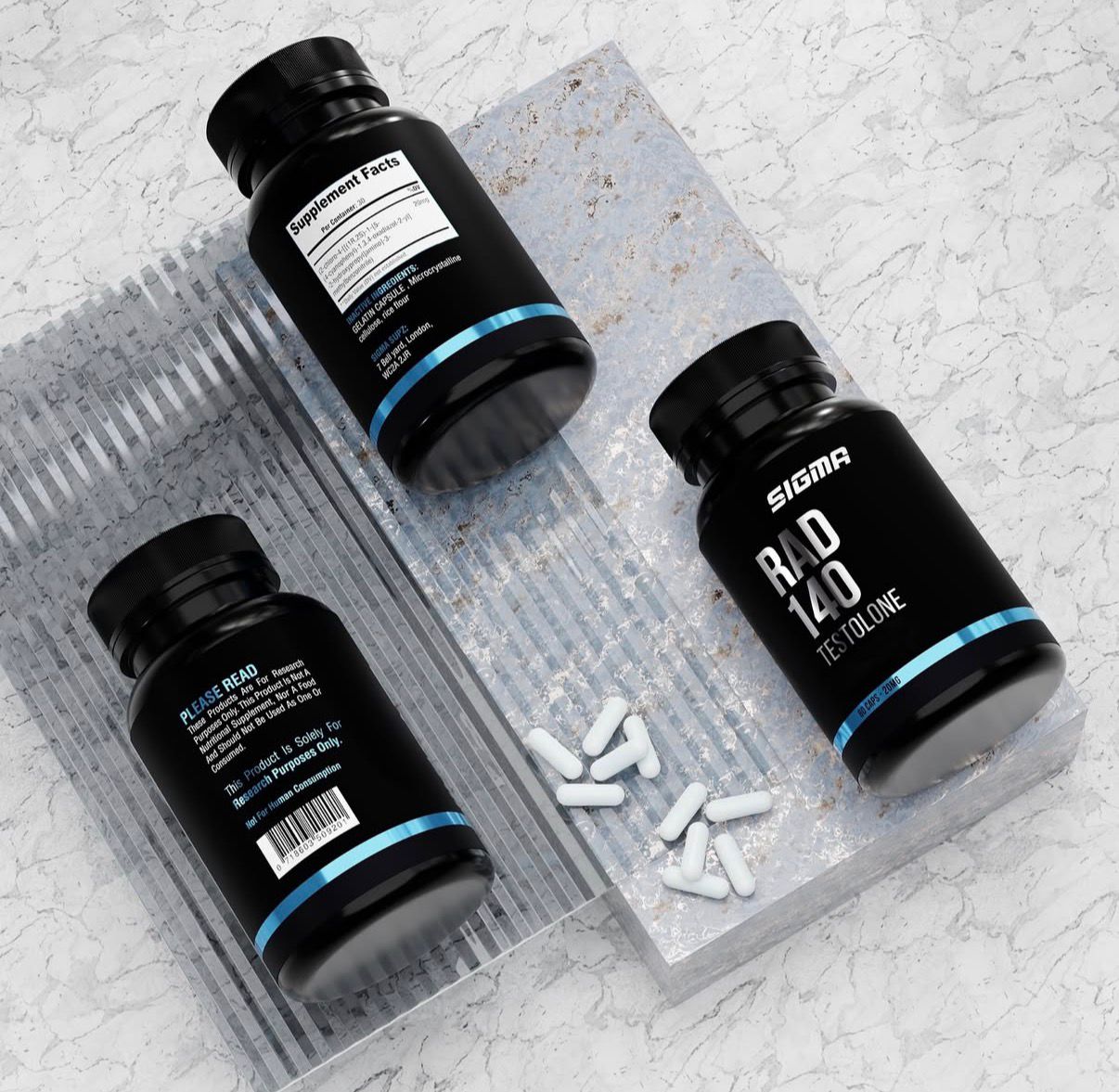
RAD-140 is not a pharmaceutical-grade compound due to the absence of FDA approval, and therefore, standardized dosage guidelines have not been established.
Nonetheless, we commonly observe male patients administering doses of 10 to 20 mg per day for 6 to 12 weeks to facilitate improvements in body composition.
RAD-140 Cycle: Male Protocol
RAD-140 is generally available in the form of 10 mg capsules or as a 10 mg/mL solution.
| Week | RAD-140 Dosage |
|---|---|
| 1–8 | 10 mg/day |
RAD-140 Cycle: Female Protocol
Our female patients typically administer a dosage of 5 to 10 mg per day over 8 weeks, allowing them to experience the therapeutic benefits of RAD-140 while minimizing the risk of virilizing (masculinizing) effects.
| Week | RAD-140 Dosage |
|---|---|
| 1–8 | 7.5 mg/day |
How Does RAD-140 Compare to Anabolic Steroids?
Although anabolic steroids can lead to substantial gains in lean mass, they are also associated with adverse side effects affecting the cardiovascular system, liver function, estrogen levels, and androgenic activity, as documented in clinical studies [11,12,13,14,15].
Thus, through the mechanism of tissue selectivity, RAD-140 was developed to mimic the anabolic effects of steroids—potentially offering similar benefits with fewer side effects [16].
However, in human and animal studies, RAD-140 has been shown to replicate the toxicity associated with certain anabolic steroids, such as Anavar (oxandrolone) and Primobolan (methenolone) [17,18,19].
Our bodybuilding patients who have used RAD-140 alongside anabolic steroids describe RAD-140 as “the SARM equivalent of testosterone.”
Consequently, some weightlifters choose RAD-140 to enhance muscle hypertrophy and strength, as it is perceived to cause less toxicity than other compounds.
How Effective is RAD-140 in Preclinical Research?
RAD-140 is considered one of the more potent SARMs, with it possessing superior anabolic effects to testosterone propionate in animal trials.
In a controlled experimental study, non-human primates exhibited a 10% increase in lean body mass following 28 days of RAD-140 administration [20].
RAD-140 can induce lipolysis (the process by which the body uses stored fat as its primary energy source), similar to anabolic steroids.
Additionally, RAD-140 users frequently report notable increases in muscular strength, attributable to its high affinity for binding to the AR.
Is RAD-140 Legally Approved for Research Use?
RAD-140 has not received approval for human use from the Food and Drug Administration (FDA) due to its relatively recent development. Consequently, RAD-140 is currently authorized solely for research purposes.
The FDA has documented reports of adverse effects associated with RAD-140 and other SARMs, and it encourages individuals to report any adverse reactions through the MedWatch Online Voluntary Reporting Form.
RAD-140 has been prohibited by the World Anti-Doping Agency (WADA); consequently, its use is strictly forbidden for professional athletes, along with other SARMs [21].
WADA states that RAD-140 and other SARMs can undermine the spirit of sports by leading to unfair advantages and compromising athletes’ health.
Several athletes have been suspended for using RAD-140 in competitive sports, including CrossFit athlete Ricky Garard.
Garard was disqualified in 2017 and subsequently received a four-year ban after securing third place in the 2017 Reebok CrossFit Games.
Garard claimed that he was misled into believing that RAD-140 was a legal supplement and maintained that its use did not create an unfair advantage, citing the prevalence of performance-enhancing drug use among his competitors.
Gil Roberts, an American sprinter and gold medalist at the 2016 Olympic Games, also tested positive for RAD-140 in 2023. Roberts stated that the test was conducted out of season and offered no excuses for the violation.
What Are the Potential Side Effects of RAD-140? Key Research Findings
Based on in vivo studies, the following adverse effects may occur with RAD-140 use:
- Liver toxicity and hepatitis [22]
- Hypertension (high blood pressure) [23]
- Hypogonadism (low testosterone)
- Gynecomastia (man boobs) and edema (swelling)
- Hair loss and prostatomegaly (enlarged prostate)
In animal studies, RAD-140 has been shown to be less toxic than testosterone replacement therapy when administered to rats. However, there appears to be a different trend in certain humans, with RAD-140 demonstrating harsher side effects.
Dr. Nicholas Downey states that clinical research indicates RAD-140 at 50 mg daily can cause liver issues, including cholestasis.
Additionally, Dr. Downey remarks that RAD-140 exhibits a notable suppressive effect; however, the extent of gonadal (testicular) suppression remains uncertain due to the paucity of human studies.
Liver Toxicity
Flores et al. (2020) suggest that RAD-140 can cause hepatocellular-cholestatic liver injury in humans [24,25].
A 49-year-old male patient received continuous supplementation with RAD-140 for a duration of four weeks [26], followed by intermittent use thereafter.
During this period, the user concurrently administered RAD-140 alongside venlafaxine, an antidepressant they had been prescribed and taking regularly for the previous 11 months.
The individual’s alcohol consumption was negligible. Therefore, the concomitant use of hepatotoxic antidepressants and SARMs may constitute a potentially deleterious combination [27].
The user depicted in the second RAD-140 before-and-after images also reported markedly elevated levels of alanine aminotransferase (ALT) and aspartate aminotransferase (AST), indicative of hepatic stress.
Dr. Thomas O’Connor, based on his decade of clinical experience analyzing over 2,000 patients using SARMs, has compared their hepatotoxic effects to those associated with a 50 mg daily dose of Anavar.
Dr. Ankit Batra also affirms that, in clinical studies, the hepatic complications of RAD-140 “can be similar to anabolic steroids,” despite cases of hypertransaminasemia (high liver enzymes) normalizing post-cycle [28].
The oral administration route of RAD-140 is hypothesized to be the primary contributor to hepatic stress.
RAD-140 needs to bypass first-pass metabolism in the liver upon entry into the bloodstream, a characteristic shared with C-17 alpha-alkylated anabolic steroids, which have been demonstrated in human studies to be hepatotoxic [29,30].
RAD-140 users can reduce the risk of liver injury by supplementing with 500 mg per day of tauroursodeoxycholic acid (TUDCA).
TUDCA is a natural bile acid supplement that has demonstrated notable hepatoprotective effects in clinical research.
Dr. Erny Peibst, Chief Executive Officer of Inside Bodybuilding
Elevated Blood Pressure
RAD-140 and other SARMs may exert a dose-dependent influence on lipid profiles, specifically cholesterol and triglyceride levels. Such alterations could potentially elevate the risk of:
- Atherosclerosis (hardening of arteries due to plaque buildup) [31]
- Myocardial infarction (heart attack)
- Cerebrovascular accident (stroke)
The second user, who documented a before-and-after transformation, reported a notable increase in blood pressure.
This effect is likely attributable to SARMs’ hepatic metabolism, which may stimulate hepatic lipase activity, leading to a reduction in high-density lipoprotein (HDL) cholesterol levels.
Our tests indicate that elevated HDL cholesterol is cardioprotective, with higher levels associated with a decreased accumulation of arterial plaque.
Another potential factor contributing to adverse alterations in blood lipid profiles is RAD-140’s inability to undergo aromatization.
Conversely, several anabolic steroids are metabolized into 17β-estradiol, a form of estrogen, which exerts a beneficial effect on lipid metabolism by elevating HDL levels.
Consequently, research indicates that inhibiting this aromatization process may be detrimental to cardiovascular health, as it diminishes estrogen’s protective influence on lipid profiles [32].
Supplementation with vitamin K2 at a dosage of 150 μg per day may mitigate excessive fluctuations in cholesterol and blood pressure.
We have found that vitamin K2 can contribute to the reduction of blood pressure and the prevention of arterial stiffening by facilitating the regulation of calcium deposition in vascular tissues.
Dr. Erny Peibst
Testosterone Suppression
RAD-140’s potent binding affinity to the AR may lead to suppression of endogenous testosterone production and impairment of spermatogenesis, akin to the effects observed with anabolic steroid use.
The degree of endocrine suppression induced by SARMs remains to be fully characterized.
It is not uncommon for an individual’s total testosterone level, which may be approximately 600 ng/dL prior to initiating RAD-140, to decrease to around 300 ng/dL following an 8-week treatment cycle.
The second user’s before-and-after transformation was attained by administering 17 mg/day of RAD-140 for 12 weeks. However, they experienced a significant reduction in serum testosterone levels, decreasing from 750 to 193 ng/dL.
Therefore, clinical male hypogonadism (low testosterone levels) may occur following RAD-140 administration due to disruption of the hypothalamic-pituitary-testicular axis (HPTA), potentially impairing long-term fertility in users.
All SARMs are associated with suppressive effects on endogenous testosterone production. However, the impact of RAD-140 appears to be more pronounced than that of other SARMs, likely attributable to its higher potency.
Our patients commonly employ human chorionic gonadotropin therapy following a RAD-140 cycle to address hypogonadism.
Clinicians typically prescribe a dosage of 2,000 IU administered 3 times per week, aiming to facilitate the recovery of the HPTA and restore normal testosterone levels in affected individuals.
Dr. Erny Peibst
Gynecomastia and Water Retention
Although RAD-140 lacks aromatization capability, it may still contribute to elevated estrogen levels through alternative mechanisms.
Upon administration, SARMs compete with endogenous testosterone for binding to androgen receptors. Due to their higher binding affinity, SARMs preferentially occupy these receptors, resulting in a reduction of free testosterone.
Consequently, the decreased availability of endogenous testosterone can lead to increased conversion of the remaining free testosterone into estrogen and DHT, thereby elevating the levels of these hormones.
Indicators of Elevated Estrogen Levels During RAD-140 Usage
Elevated levels of estrogen can cause:
- Water retention (hydropsy)
- Bloating
- Gynecomastia
Dr. Michael Moeller has reported overseeing male patients who experienced lactation as a side effect of SARM usage, including RAD-140.
Therefore, initiating a RAD-140 cycle with a mild aromatase inhibitor (AI) may provide a protective effect against estrogen-related side effects, such as gynecomastia and lactation [33].
Which AIs Can Regulate Estrogen?
Diindolylmethane (DIM) is a naturally occurring phytochemical found in cruciferous vegetables that possesses aromatase-inhibiting properties, enabling its use in mitigating estrogen-related side effects.
Based on our clinical experience, supplementation with 200 mg of DIM daily during RAD-140 cycles can effectively manage elevated estrogen levels in patients, contributing to improved hormonal regulation during such regimens.
Dr. Erny Peibst
Potent AIs are generally considered excessively harsh for a SARM cycle, including the following:
- Letrozole
- Exemestane
- Anastrozole
The aforementioned AIs may induce hormonal imbalances, resulting in estrogen deficiency. These AIs are more commonly employed during anabolic steroid cycles, where estrogen levels are significantly elevated.
Utilizing AIs as post-cycle therapy (PCT) agents, without a medical prescription, remains illegal in the US.
Hair Loss and Prostatomegaly
Animal studies suggest that RAD-140’s tissue selectivity may confer therapeutic benefits for individuals with benign prostatic hyperplasia (enlargement of the prostate), potentially inducing prostate atrophy.
In rat models, RAD-140 exhibited minimal androgenic activity and necessitated a dose approximately 60 times higher than testosterone to induce comparable prostatic hypertrophy [34].
However, we have had some patients cycle RAD-140 and exhibit signs of androgenization, including the development of male secondary sexual characteristics and episodes of hair loss.
Such incidences may be attributed to the endogenous conversion of testosterone to DHT. Clinical research suggests that elevated DHT levels may contribute to increased inflammation and follicular miniaturization of the scalp [35].
Saw palmetto is a botanical supplement that functions as a 5-alpha-reductase inhibitor, an enzyme responsible for converting testosterone to DHT.
By inhibiting this enzymatic activity, saw palmetto may serve as a potential intervention to mitigate androgen-related side effects.
Our patients have benefited from a daily saw palmetto dose of 320 mg for preventing accelerated hair thinning and recession in patients utilizing RAD-140.
Dr. Erny Peibst
Can RAD-140 Accelerate Male Pattern Baldness?
Based on our observations, short-term use of RAD-140 can cause mild hair loss; however, this side effect is often reversible following cessation.
This transient effect is likely attributable to hormonal fluctuations and regulation during the post-cycle period. However, prolonged use and sustained elevation of DHT levels may elevate the risk of developing androgenetic alopecia.
Additionally, increased sebum production has been reported, potentially leading to oily skin and the development of acne vulgaris in sensitive individuals.
Supplementation with zinc has been shown to mitigate acne outbreaks, owing to its:
- Anti-inflammatory properties
- Ability to regulate sebum secretion
- Inhibitory effects on 5-alpha reductase activity
Our doctors have observed that a daily supplementation of 15 mg of zinc is effective in reducing the incidence of cystic acne in patients undergoing RAD-140 cycles.
Dr. Erny Peibst
Theoretically, the tissue selectivity of RAD-140 should mitigate the occurrence of androgenic side effects, as suggested by animal studies [36].
However, its indirect influence on the conversion of endogenous testosterone to DHT may pose potential concerns for human users.
RAD-140 PCT
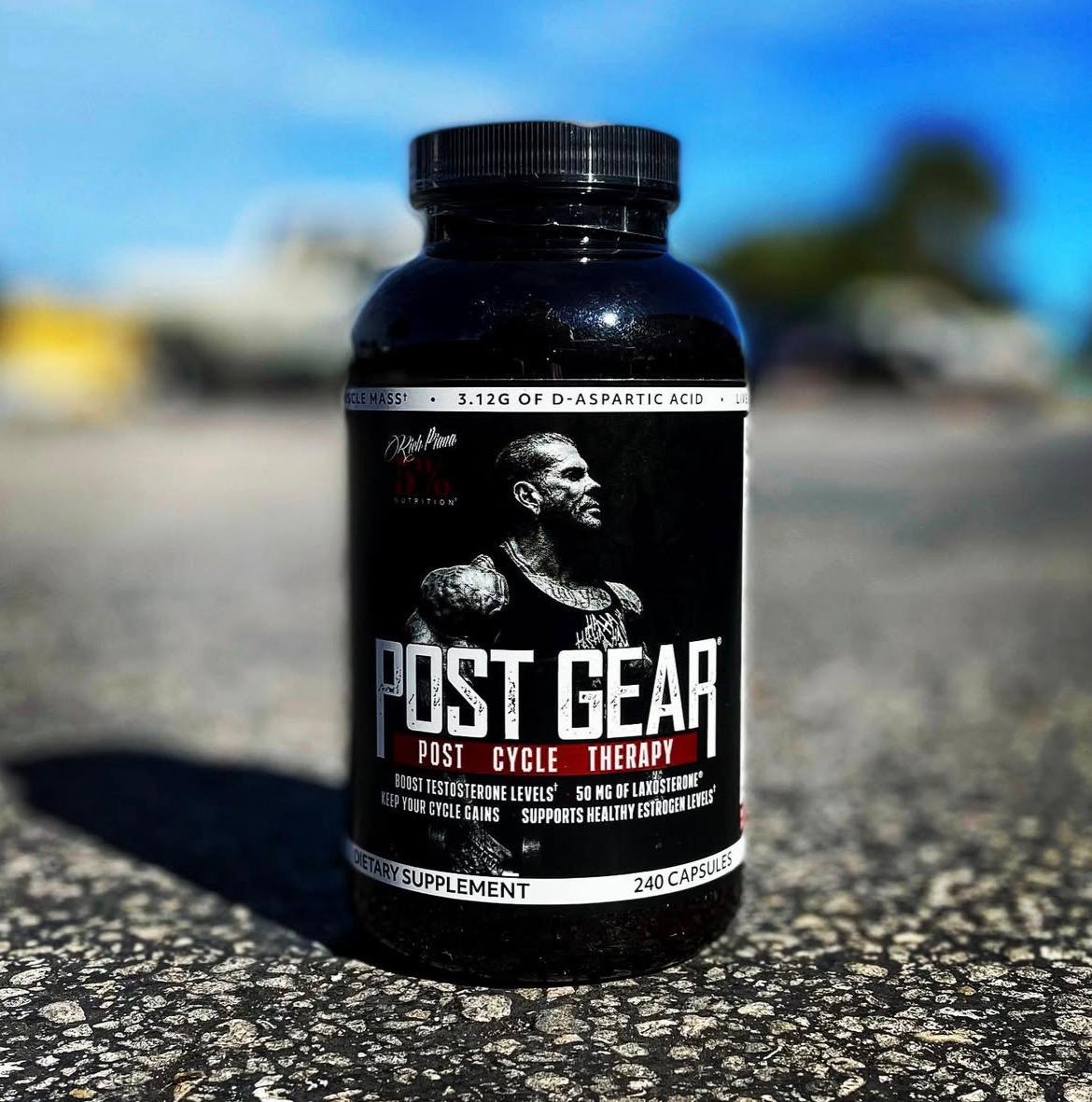
RAD-140 has the potential to suppress endogenous testosterone production by decreasing levels of:
- Follicle-stimulating hormone
- Luteinizing hormone
This suppression is attributed to RAD-140’s high affinity for androgen receptors, which can influence the HPTA. Consequently, some users observe significant declines in their testosterone levels following the cycle, prompting the implementation of PCT.
Given its pharmacokinetic profile, with a reported half-life of approximately 60 hours, PCT may be initiated approximately 12 days after discontinuation of RAD-140.
Complete elimination typically occurs after a duration equivalent to 5.5 times the half-life.
Clomid or Nolvadex are commonly taken during PCT, with our tests showing that Nolvadex is the stronger medication for restoring endogenous testosterone.
In our experience, Clomid is sufficient for PCT if conducting a RAD-140-only cycle. However, we find that Nolvadex is more optimal for patients who have stacked RAD-140 with other SARMs.
Dr. Erny Peibst
Clomiphene citrate (Clomid) exerts its effects by acting as an agonist at estrogen receptors within the hypothalamus, the central regulatory region of the brain.
This activation leads to an increased secretion of gonadotropins from the anterior pituitary gland, thereby promoting endogenous testosterone production.
In essence, Clomid simulates a state of reduced estrogen activity in the brain, resulting in enhanced signaling to the testes to elevate testosterone synthesis.
Similarly, tamoxifen (Nolvadex) enhances testosterone biosynthesis by stimulating the release of gonadotropins from the pituitary gland, which in turn supports increased testicular testosterone production.
Regarding PCT with RAD-140, below are examples of typical dosage regimens and durations.
| Duration | Nolvadex Dosage |
|---|---|
| Day 1–30 | 20 mg/day |
| Duration | Clomid Dosage |
|---|---|
| Day 1–30 | 25 mg/day |
Legal RAD-140 Alternative
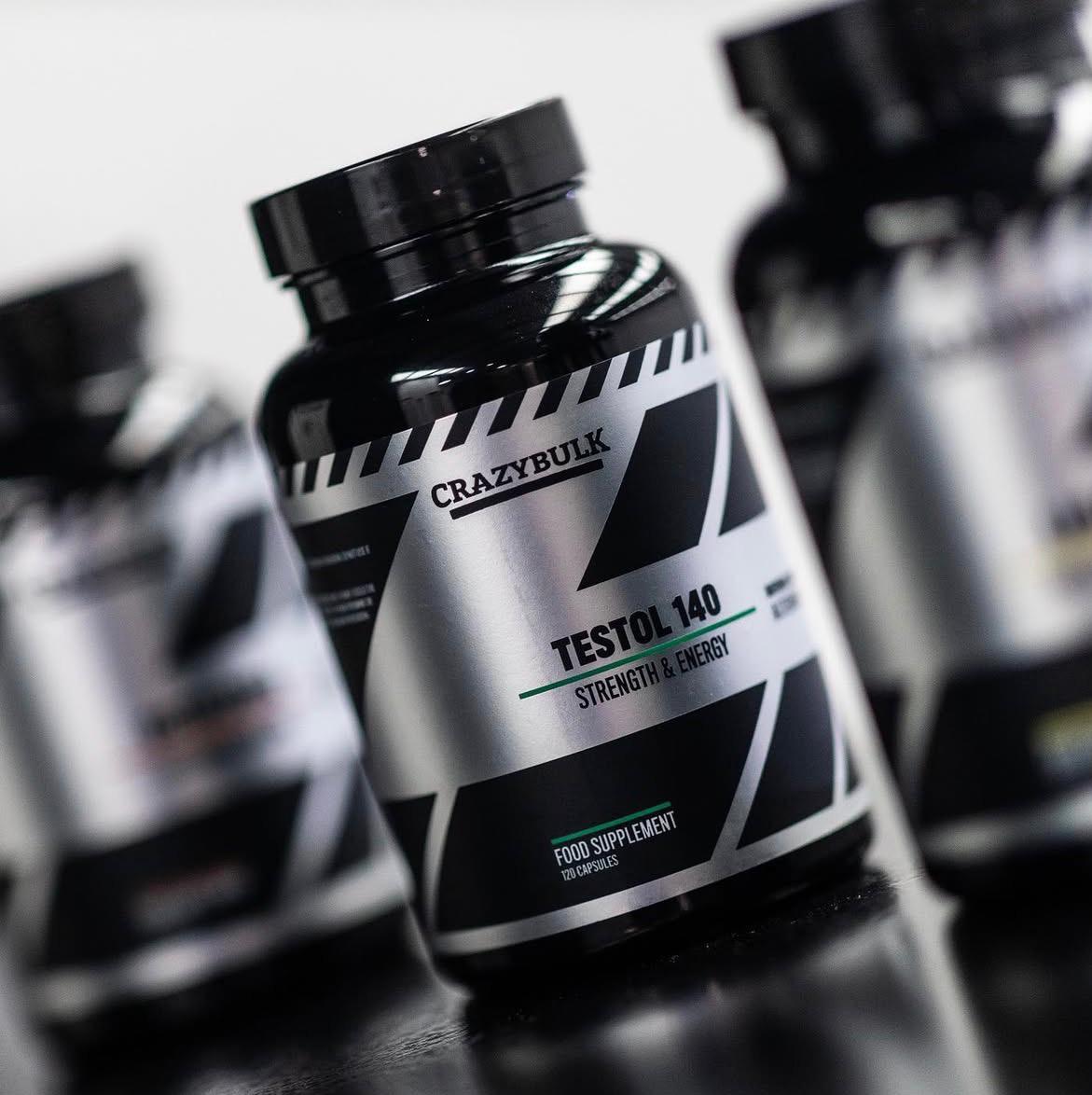
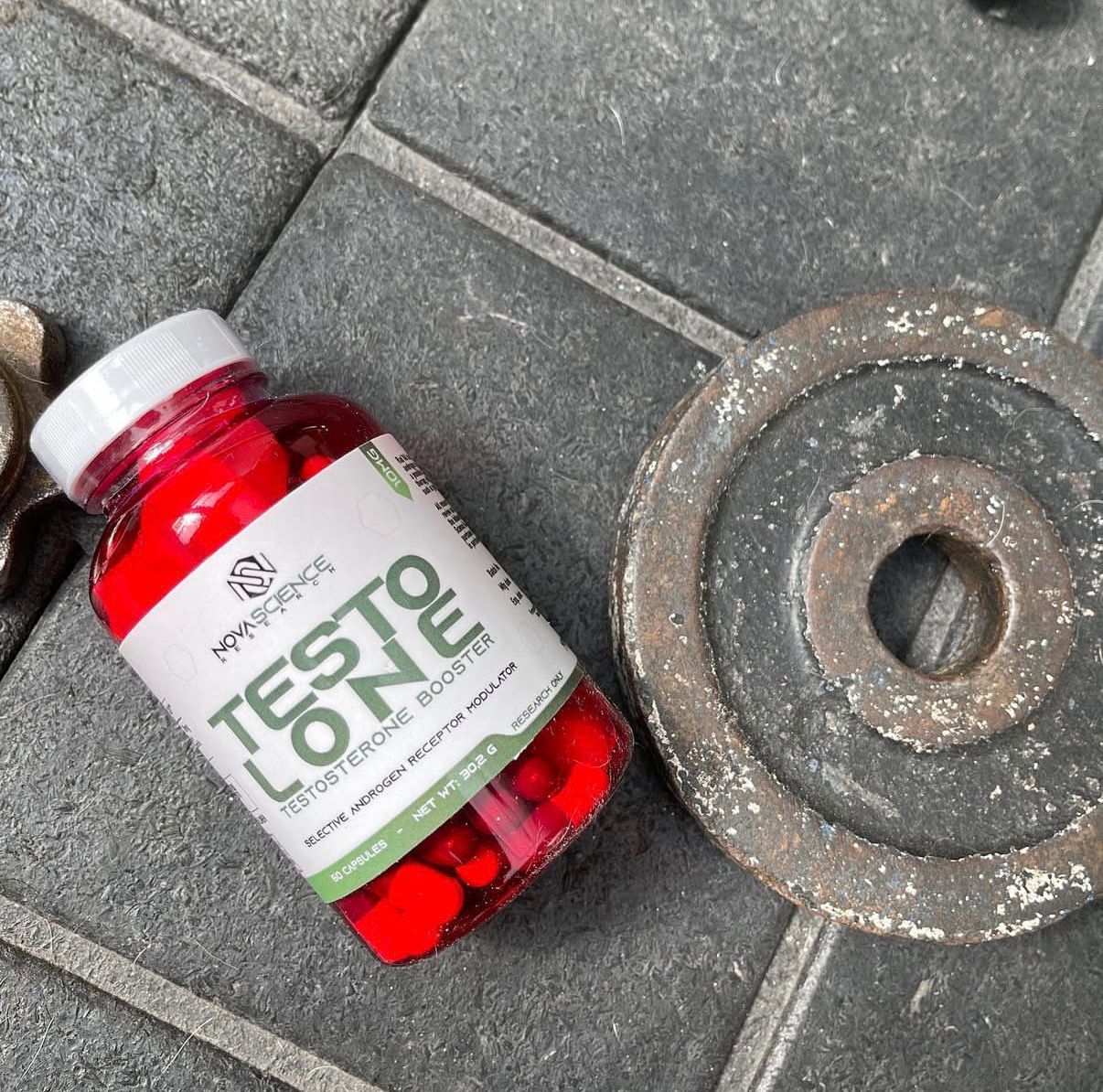
TESTOL 140 is our recommended RAD-140 alternative, mimicking the anabolic effects of RAD-140 but without any testosterone suppression or liver toxicity.
It is FDA-approved and thus legal to purchase for human consumption.
TESTOL 140 is best utilized when bulking for maximum hypertrophy and strength. It can also inhibit fat gain when eating in a calorie surplus.
What is the Half-Life of RAD-140?
Pharmacokinetic studies have determined that the half-life of RAD-140 is approximately 60 hours [37]. Despite this, many users adopt daily dosing regimens, initially estimating the compound’s half-life to be around 20 hours.
This discrepancy may be attributed to variations in individual metabolism, absorption, and the influence of dosing practices.
RAD-140 vs. LGD-4033: What is the Difference?
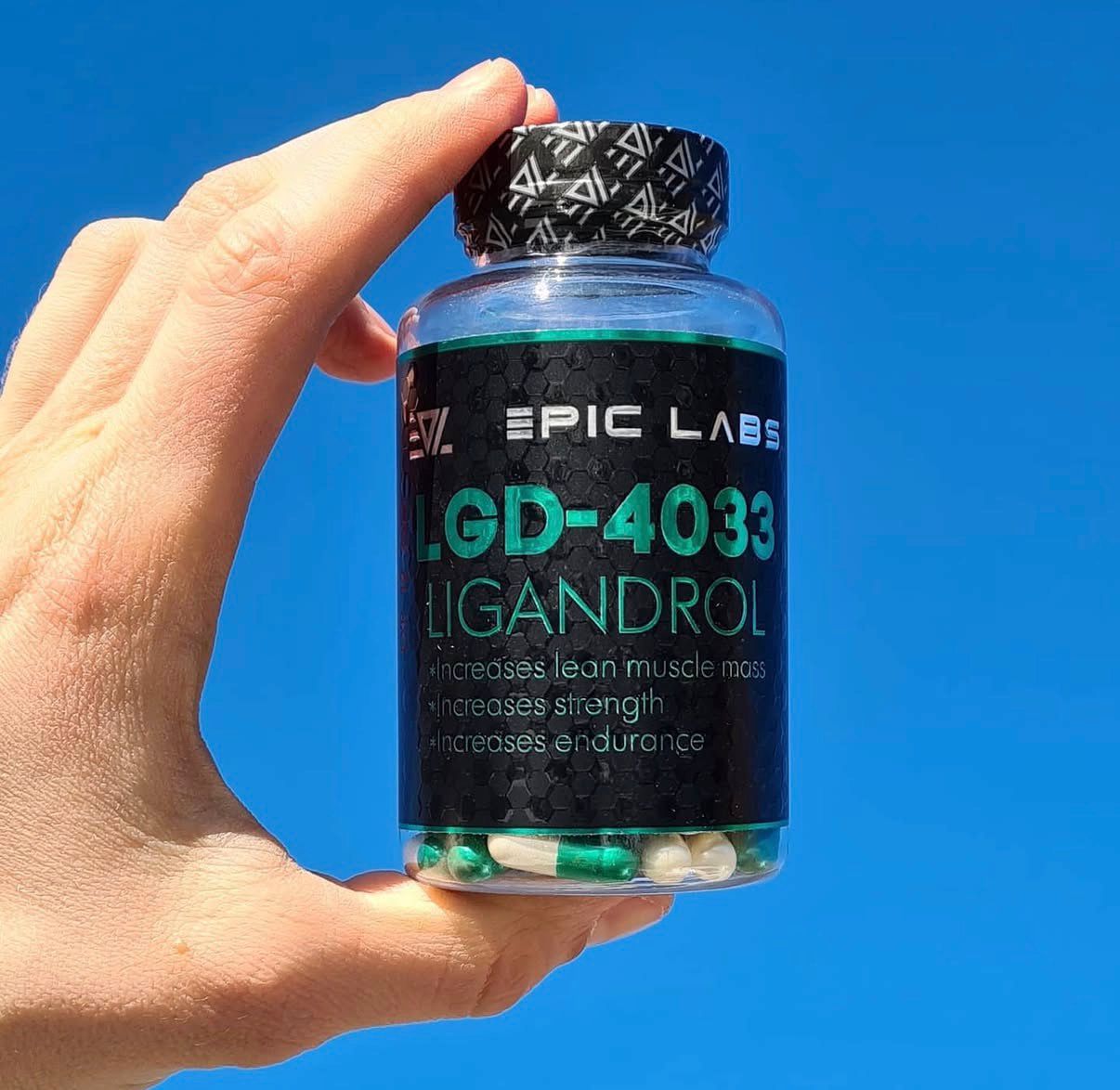
LGD-4033, also known as Ligandrol, is generally considered to exhibit greater potency per milligram relative to RAD-140 among SARMs.
According to reports from bodybuilders under our care, effective results can be achieved with daily dosages of LGD-4033 ranging from 2 to 10 mg. In comparison, RAD-140 is typically administered at dosages between 10 and 20 mg per day.
These dosing differences reflect the relative potency and pharmacodynamic profiles of the respective compounds.
RAD-140 may be regarded as the superior SARM in terms of promoting:
- Enhanced muscle pumps
- Subcutaneous fat reduction
Our patients have reported that LGD-4033 is associated with increased water retention; therefore, it may be less suitable for individuals aiming for:
- A lean physique
- Maximum muscle definition
A portion of the fat loss associated with RAD-140 may be indirect, attributable to it increasing satiation—the sensation of fullness that terminates hunger.
In a first-in-human, phase 1 study of RAD-140, 27% of patients with metastatic breast cancer reported decreased appetite. Based on our patient feedback, the appetite-suppressant effects of RAD-140 appear to be superior to those of LGD-4033 [38].
In terms of muscle hypertrophy and strength, LGD-4033 and RAD-140 demonstrate comparable potency.
However, RAD-140 exhibits a more pronounced muscle-hardening effect, potentially attributable to a lesser increase in estrogen levels, which consequently reduces water retention.
Research has indicated that RAD-140 suppresses the expression of the estrogen receptor 1 gene [39], a mechanism believed to contribute to it reducing extracellular water volume (fluid outside the cells).
RAD-140 is likely to elicit more pronounced improvements in muscular endurance. Consequently, RAD-140 may be particularly advantageous for individuals engaging in high-repetition training or cardiovascular exercise.
Our patients frequently report higher energy levels when using RAD-140 compared to LGD-4033. However, we have received reports of LGD-4033 having a greater impact on libido during the course of treatment.
The following is a comparative analysis of the pricing for RAD-140 and LGD-4033:
| RAD-140 Price | LGD-4033 Price |
|---|---|
| $64.99 | $59.99 |
Price data were obtained from Sports Technology Labs.
What Are RAD-140’s Stacking Options?
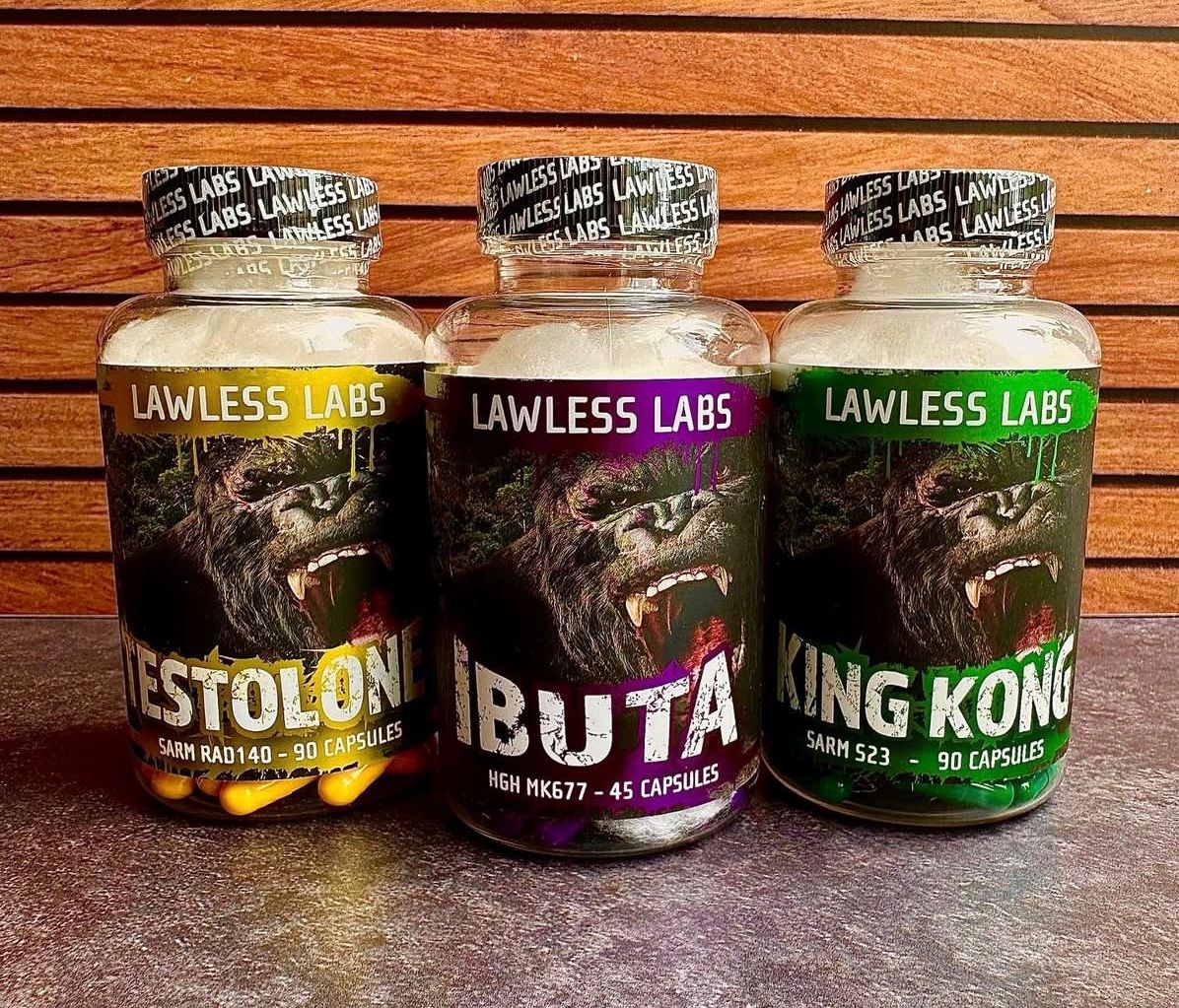
From an ethical and legal standpoint, RAD-140 is generally not recommended to be combined with other SARMs in bodybuilding practices, as such stacking may constitute an illegal activity in many jurisdictions.
Nonetheless, bodybuilders frequently combine RAD-140 with other SARMs to synergistically enhance outcomes related to:
- Muscular strength
- Muscle hypertrophy
- Fat loss
However, according to Leciejewska et al. (2023), the concurrent utilization of multiple SARMs may further intensify adverse effects observed in vitro [40].
We have observed that novice users typically commence with a RAD-140-only cycle to familiarize themselves with the pharmacological effects of the compound. As users acquire experience, it is common practice to incorporate more potent stacks.
For instance, combining RAD-140 with LGD-4033 is frequently employed to achieve enhanced gains in muscle mass and strength during bulking phases. [41].
Regarding dosage regimens, a typical RAD-140 and LGD-4033 stack may be outlined as follows:
| Week | RAD-140 Dosage | LGD-4033 Dosage |
|---|---|---|
| 1–8 | 10 mg/day | 6 mg/day |
However, considering the preliminary evidence suggesting potential toxic effects of RAD-140 in human studies [42], it is advisable to exercise caution when combining it with additional SARMs until further comprehensive research elucidates its safety profile.
Frequently Asked Questions
Are There Specific Health Conditions That Would Contraindicate the Use of RAD-140?
Individuals with pre-existing hypertension may be at increased risk of adverse health outcomes associated with RAD-140 use, primarily due to its effects on lipid profiles.
For example, one of our patients with a pre-existing history of hypertension subsequently developed atherosclerosis following RAD-140 supplementation.
This condition was characterized by the accumulation of atheromatous plaque within the arterial walls following an 8-week cycle of RAD-140 in combination with LGD-4033.
Furthermore, another patient of ours developed peliosis hepatis, a rare hepatic condition characterized by the formation of blood-filled cavities within the liver parenchyma.
This diagnosis was the result of a 12-week course of RAD-140, administered at 20 mg daily in conjunction with monoamine oxidase inhibitors.
These cases underscore the potential increased risk of individuals utilizing SARMs with pre-existing health conditions or those concurrently using specific medications.
Therefore, comprehensive medical evaluation is critical before the initiation of RAD-140 treatment.
Can Research Subjects Consume Alcohol While Taking RAD-140?
Given that RAD-140 has been associated with hepatotoxic effects, concurrent consumption of alcohol during a RAD-140 cycle may exacerbate hepatic injury and increase the risk of liver damage.
What is the Optimal Diet When Supplementing With RAD-140?
In our experience, bodybuilders frequently employ RAD-140 for bulking purposes. In this context, a caloric surplus of approximately 500 calories above maintenance levels is recommended to promote anabolic processes and muscle hypertrophy [43].
Conversely, when RAD-140 is used for cutting, our patients have found that a caloric deficit of 500 calories can enhance fat loss while preserving lean muscle mass [44].
Are There Any Supplements That Can Help Reduce the Toxicity Associated With RAD-140?
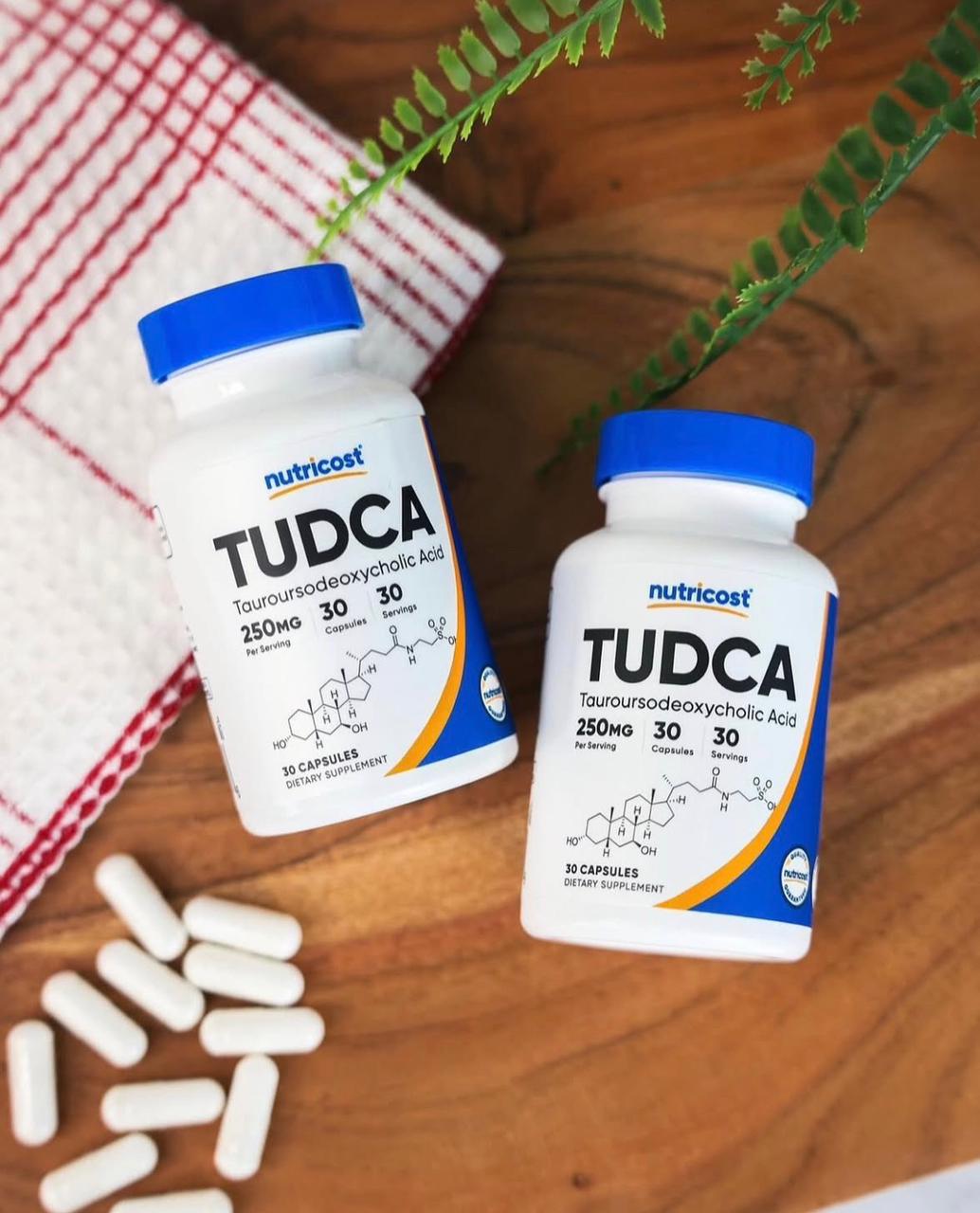
Yes, TUDCA has been shown to reduce AST and ALT serum levels [45], potentially mitigating hepatotoxicity during a RAD-140 cycle.
Additionally, supplementation with 3 grams per day of fish oil, which contains eicosapentaenoic acid and docosahexaenoic acid, may aid in blood pressure regulation.
Clinical evidence suggests that fish oil supplementation can decrease cardiovascular risk; however, the magnitude of these benefits appears to be dose-dependent [46].
Dr. Erny Peibst
Can RAD-140 Cause Bloating?
Some of our patients utilizing RAD-140 have reported experiencing bloating as a side effect.
Evidence suggests that reducing sodium intake may effectively alleviate this symptom, likely through the reduction of plasma osmolality—the concentration of solutes in the blood.
Dr. Erny Peibst
By implementing dietary modifications to promote diuresis (increased urine production), bodybuilders under our supervision have achieved 3 kg of water loss during RAD-140 cycles.
What is Dr. O’Connor’s Experience With RAD-140?
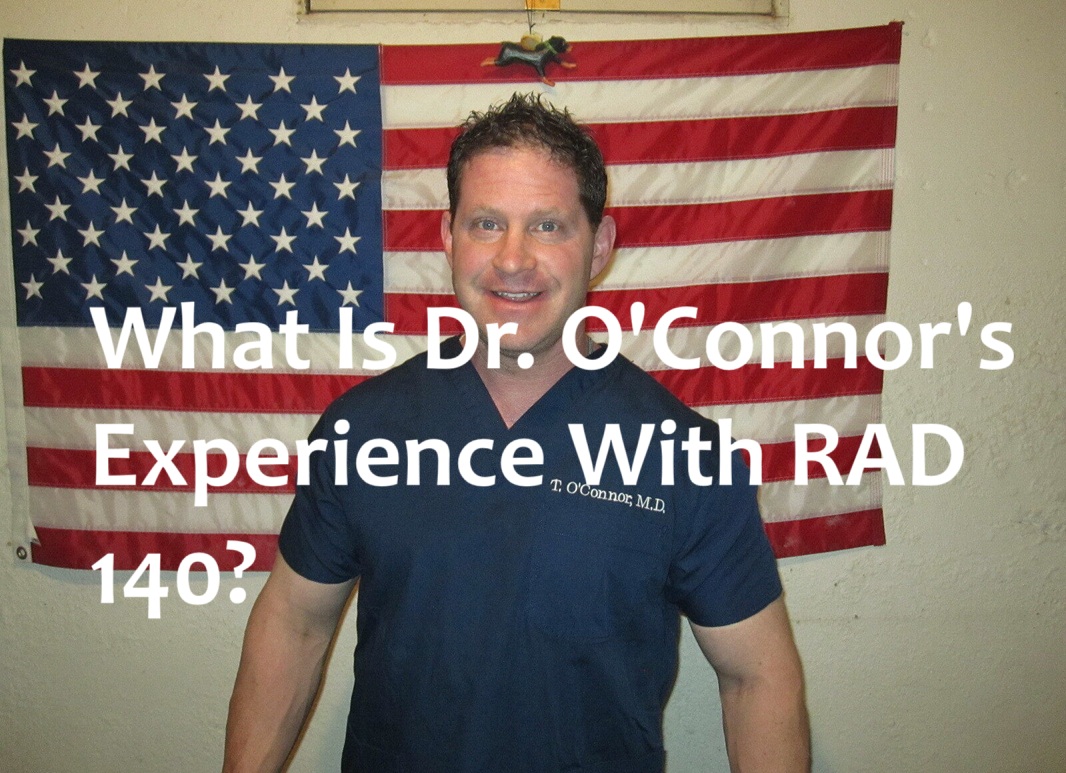
Dr. O’Connor believes SARMs, such as RAD-140, are “potentially more dangerous than anabolic steroids.” This opinion is based on the regular analysis of laboratory tests from over 2,000 patients.
Nevertheless, further clinical research on RAD-140 is required to fully understand its effects, with certain researchers observing positive changes in body composition without any discernible complications.
Can RAD-140 Cause a Failed Drug Test?
RAD-140 and other SARMs are prohibited substances under the regulations of WADA and the US Anti-Doping Agency.
Due to the sensitivity of contemporary analytical techniques, such as liquid chromatography-mass spectrometry, even trace amounts of these compounds can be detected in biological samples.
Notably, David Drouin, a Canadian cyclist, was the first individual to test positive for RAD-140 in a sporting context.
Following a random at-home test, Drouin received a four-year suspension from competition sanctioned by organizations including:
- Cycling Canada
- The Union Cycliste Internationale
- The International Olympic Committee
Another prominent case involves Ricky Garard, who tested positive for RAD-140 after achieving third place at the 2017 Reebok CrossFit Games.
Athletes are strongly advised to consult their respective governing bodies and regulatory organizations to ascertain whether the use of RAD-140 is permitted within their sport, as violations can lead to significant sanctions.
RAD-140 Pros and Cons
Pros:
- May increase muscle hypertrophy
- May significantly enhance muscular strength
- May promote fat loss
Cons:
- Smaller increases in fat-free mass compared to anabolic steroids
- May increase cholesterol levels
- May decrease endogenous testosterone production
- Potential hepatotoxic effects
Summary
RAD-140 displays anabolic traits that may be beneficial to those seeking improvements in:
- Muscle hypertrophy
- Strength
Our patients have described RAD-140 as the best SARM for intermediate users wanting to bulk up. However, there appear to be anabolic steroid-like risks associated with RAD-140, particularly concerning liver toxicity and cardiovascular strain.
Such deteriorations in health are evident in several human trials and correlate with Dr. Thomas O’Connor’s 10 years of experience treating males and females on RAD-140.
RAD-140 may be a less optimal treatment for cachexia compared to the following anabolic steroids, due to the occurrence of toxic effects in some users and only modest increases in lean mass:
- Testosterone
- Anavar
- Deca-Durabolin
Testosterone is also known as:
- Depo-Testosterone
- Testoviron
- AndroGel
- TestoGel
- Andriol
- Aveed
Anavar is also known as:
- Oxandrin
- Lonovar
- Protivar
- Vasorome
Deca-Durabolin is known as:
- 19-Nortestosterone 17β-decanoate
- Rolon
If individuals have been exposed to RAD-140, it is essential to consult a medical professional for proper health monitoring.
Since each person may respond differently to RAD-140 due to their unique genetic makeup and lifestyle factors, personalized medical guidance is crucial to ensure optimal health and safety.
Dr. Erny Peibst
Relevant Research
- Preclinical assessment of the SARM RAD-140 to increase muscle mass and bone mineral density
- RAD-140 drug-induced liver injury
- SARM RAD-140 is neuroprotective in cultured neurons and kainate-lesioned male rats
- Treatment with RAD-140 is linked to better cardiac function, with male-specific effects that are graded by interleukin-6
- RAD-140 negatively impacts skeletal muscle adaptation, frailty status, and mortality risk in female mice
- Idiosyncratic drug-induced liver injury related to use of novel SARM RAD-140: a case report
- Human in vivo metabolism and elimination behavior of micro-dosed SARM RAD-140 for doping control purposes
Co Authors :

Dr. Thomas O’Connor is the first American board-certified internist to focus his medical practice specifically on the health and recovery of individuals who use anabolic steroids and androgens.
He founded Testosteronology®, a dedicated subspecialty of internal medicine that addresses steroid-induced hypogonadism and associated cardiovascular and metabolic concerns.
Dr. O’Connor has over 20 years of experience treating men and women with a history of anabolic steroid, SARM, and PED use. He has been a board-certified MD since 2005 and provides guidance on harm reduction methodologies.
Dr. O’Connor is a clinical instructor at the University of Connecticut School of Medicine and has been featured in various media publications, including Generation Iron, Dr. Phil, National Geographic, The New York Times, Muscle and Fitness, and others.
Dr. O’Connor also co-authored the largest survey on anabolic steroid use, which involved 2,385 men and was published in the peer-reviewed American Journal of Men’s Health. He holds active medical licenses in Connecticut and Florida.
Additional research
- According to Brown et al. (2023), RAD-140 may be an effective treatment for individuals suffering from sarcopenia (muscle loss). However, RAD-140 does not induce muscle hypertrophy at elevated dosages of 5 mg/kg [47].
- Researchers concluded that RAD-140 demonstrated "acceptable safety" in its first human trial [48].
- In a clinical vignette, a 31-year-old male was diagnosed with scleral icterus (yellowing of the eyes) and jaundice after 12 weeks of RAD-140 supplementation [49].
- During a 2020 case study, an individual developed jaundice and pruritus (itching) following a 7-week cycle of RAD-140 and LGD-4033 [50].
- Flores et al. (2020) documented a 49-year-old with moderate cholestasis (blocked bile flow) after a 4-week cycle of RAD-140 [51].
- In a 2022 case report, a 23-year-old experienced jaundice following a 12-week cycle of RAD-140, LGD-4033, and YK-11 [52].
- A 43-year-old male was reported to have scleral icterus (yellowing of the whites of the eyes) and hyperbilirubinemia (high bilirubin levels) after an 8-week RAD-140-only cycle [53].
References
(1) https://pmc.ncbi.nlm.nih.gov/articles/PMC2907129/
(2) https://pmc.ncbi.nlm.nih.gov/articles/PMC10403398/
(3) https://pubmed.ncbi.nlm.nih.gov/24189892/
(4) https://pubmed.ncbi.nlm.nih.gov/39755947
(5) https://pmc.ncbi.nlm.nih.gov/articles/PMC10392554/
(6) https://www.sciencedirect.com/science/article/pii/S266608492400216X
(7) https://academic.oup.com/jcem/article-abstract/83/2/320/2865101
(8) https://pmc.ncbi.nlm.nih.gov/articles/PMC9331610/
(9) https://academic.oup.com/jcem/article-abstract/81/12/4249/2650464
(10) https://pubmed.ncbi.nlm.nih.gov/10889795/
(11) https://pubmed.ncbi.nlm.nih.gov/10589853/
(12) https://pubmed.ncbi.nlm.nih.gov/20020375/
(13) https://www.ncbi.nlm.nih.gov/books/NBK548931/
(14) https://ec.bioscientifica.com/view/journals/ec/9/4/EC-19-0557.xml
(15) https://onlinelibrary.wiley.com/doi/10.1111/ijd.17567
(16) https://www.sciencedirect.com/science/article/abs/pii/S0960076018306885
(17) https://www.ochsnerjournal.org/content/22/4/361
(18) https://www.sciencedirect.com/science/article/abs/pii/S0305417918302870
(19) https://www.sciencedirect.com/science/article/abs/pii/S0003267004013650
(20) https://www.ncbi.nlm.nih.gov/labs/pmc/articles/PMC4018048/
(21) https://pubmed.ncbi.nlm.nih.gov/23650030/
(23) https://pmc.ncbi.nlm.nih.gov/articles/PMC10420890/
(25) https://pubmed.ncbi.nlm.nih.gov/38444893/
(26) https://www.ncbi.nlm.nih.gov/labs/pmc/articles/PMC7049679/
(27) https://pmc.ncbi.nlm.nih.gov/articles/PMC6061298/
(28) https://pmc.ncbi.nlm.nih.gov/articles/PMC10024817/
(29) https://bmjopengastro.bmj.com/content/7/1/e000549
(30) https://pubmed.ncbi.nlm.nih.gov/4423214/
(31) https://pubmed.ncbi.nlm.nih.gov/37571268/
(32) https://academic.oup.com/cardiovascres/article-abstract/69/4/777/344756
(33) https://pmc.ncbi.nlm.nih.gov/articles/PMC3042921/
(34) https://www.ncbi.nlm.nih.gov/labs/pmc/articles/PMC3959610/
(35) https://pmc.ncbi.nlm.nih.gov/articles/PMC4174066/
(36) https://www.sciencedirect.com/science/article/pii/S1526590022001249
(37) https://cancerres.aacrjournals.org/content/80/4_Supplement/P5-11-01
(38) https://pubmed.ncbi.nlm.nih.gov/34565686/
(39) https://pubmed.ncbi.nlm.nih.gov/28974548/
(40) https://www.sciencedirect.com/science/article/pii/S0303720723001880#bib27
(41) https://pmc.ncbi.nlm.nih.gov/articles/PMC4111291/
(42) https://www.ncbi.nlm.nih.gov/pmc/articles/PMC7535764/
(43) https://www.sciencedirect.com/science/article/pii/S0261561424003467
(44) https://pubmed.ncbi.nlm.nih.gov/18549992/
(45) https://www.sciencedirect.com/science/article/abs/pii/S0011393X05806599
(46) https://www.ahajournals.org/doi/full/10.1161/JAHA.121.025071
(47) https://onlinelibrary.wiley.com/doi/10.1111/1440-1681.13824
(48) https://pubmed.ncbi.nlm.nih.gov/34565686/
(50) https://pubmed.ncbi.nlm.nih.gov/33062783/
(51) https://pubmed.ncbi.nlm.nih.gov/32140660/